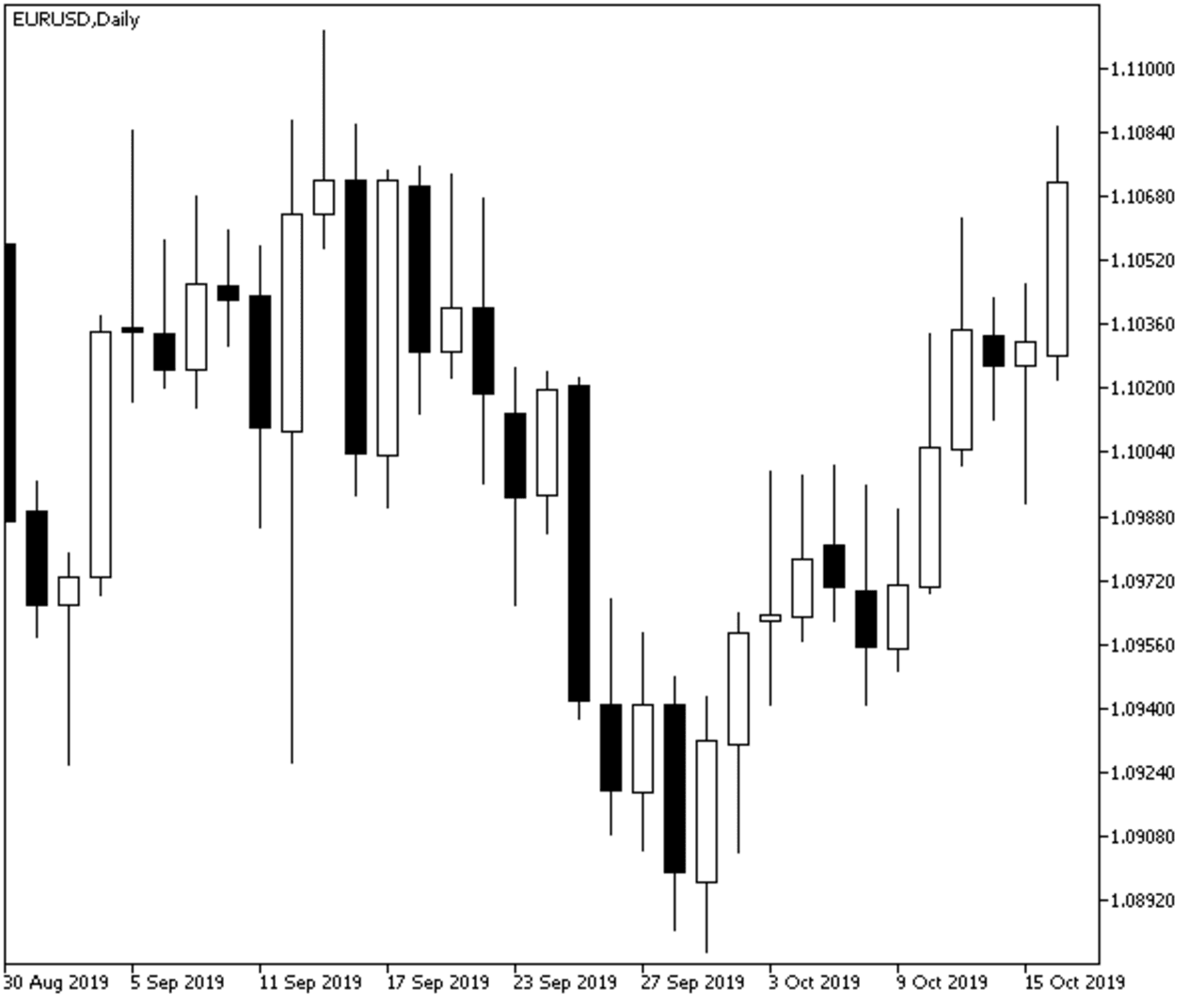
Bitcoin's price movements can be organized into five forces—supply (the halving and 21-million-coin cap), demand (spot ETF flows), macro (U.S. rates and the dollar), sentiment, and liquidity plus leverage liquidations—and the daily swings are the result of all of them acting at once.
You can technically reuse a Bitcoin address without losing funds, but it's discouraged: the public ledger links your balance and full history to third parties. HD wallets auto-generate a new address each time, so use a fresh one for every payment.
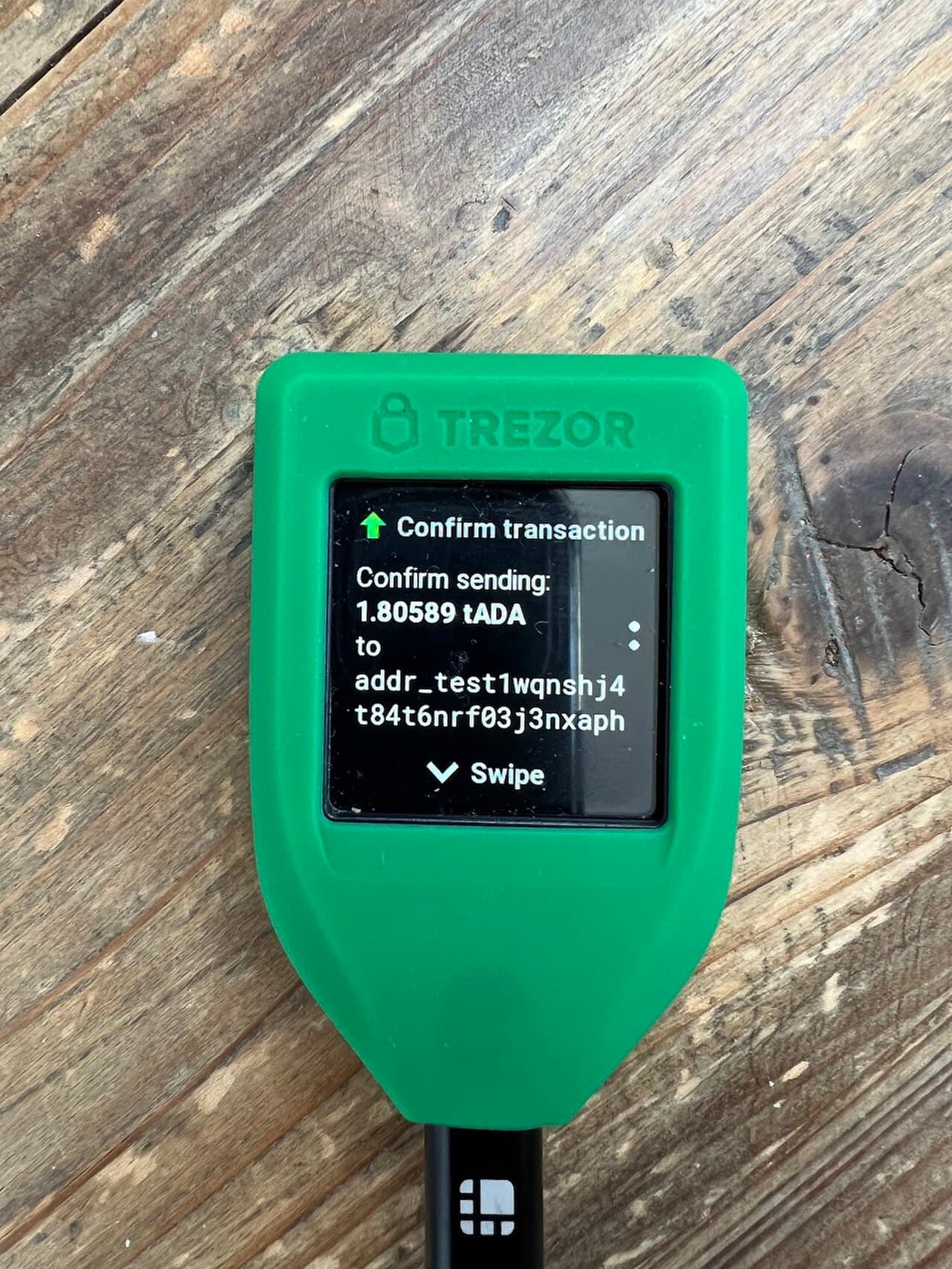
The most important factor in choosing a hardware wallet isn't a product ranking but always buying from an official or authorized seller (avoiding tampered, resold devices). From there, pick what fits your use across five criteria: open source/verifiability, BIP39 compliance, passphrase support, a screen, and budget.
Bitcoin is a Proof of Work currency, so staking does not exist; the only way to earn interest is lending (crypto lending). But high annual yields are compensation for risk, and in 2022 major lenders collapsed in a chain reaction, leaving some depositors unable to recover their principal.
The biggest difference between Bitcoin "spot" and "leverage (FX)" is that spot means owning the coin itself, while leverage uses cash settlement to trade beyond your margin. Beginners aiming to hold long-term should default to spot, which has no margin calls or liquidation.
A Bitcoin deposit usually fails to appear on an exchange because it's still waiting to reach the required number of confirmations. Check the TXID in a block explorer first; if confirmations are progressing, wait, and never double-send.
HODL is Bitcoin slang, born from a misspelling of "hold," for the mindset of holding on without panic-selling through short-term price swings. It originated in a December 2013 forum post titled "I AM HODLING."
MetaMask is EVM-based and can't receive BTC at a 0x address; since December 2025 it supports native Bitcoin via a dedicated bc1 address. Sending BTC to an EVM 0x address risks permanent loss, and cold wallets are safest for long-term storage.