RBF replaces an unconfirmed transaction with a higher-fee one spending the same inputs. Since Bitcoin Core 28.0 in October 2024, full RBF is the default, so replacement no longer depends on the sender signalling for it.
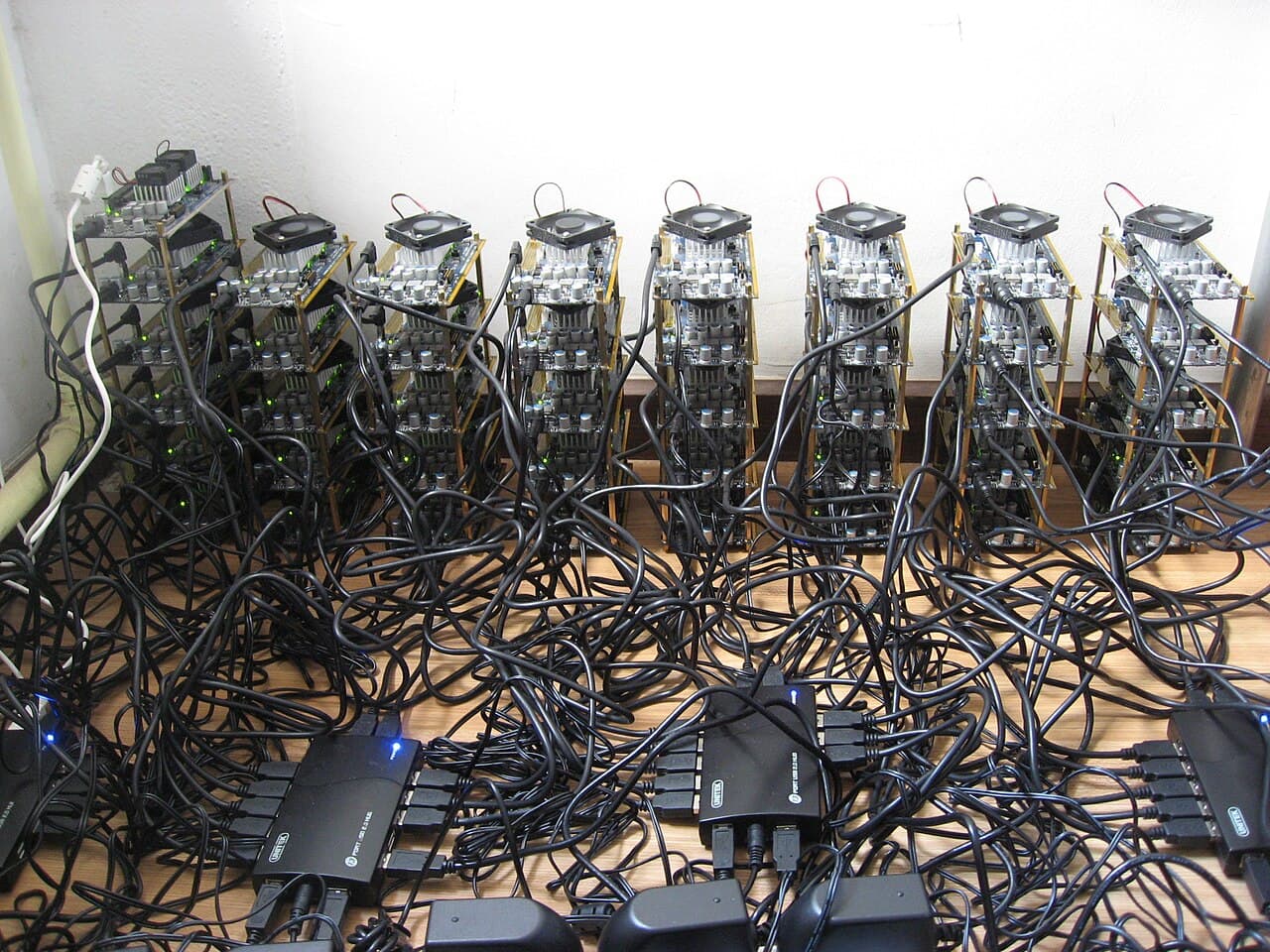
Proof of work means only someone who has actually spent computation can add a block. Rewriting history means paying that cost all over again, which is why older transactions become effectively impossible to reverse.
The exact number of global Bitcoin owners is unknown because blockchain records addresses, not people. Triple-A estimated over 560 million global crypto owners (6.8% of world population) as of 2024; Bitcoin-specific estimates vary by hundreds of millions depending on methodology.
On-chain analysis (the "Patoshi Pattern") suggests roughly 1.1 million BTC (about 5% of the supply cap), mined in 2009-2010, remains unspent and is statistically attributed to a single early miner believed to be Satoshi Nakamoto. This is an estimate, not confirmed ownership.
Led by Strategy (formerly MicroStrategy), public companies worldwide are increasingly holding part of their cash reserves in bitcoin. As of July 2026 Strategy is the largest corporate holder at 843,775 BTC, with Twenty One Capital and Metaplanet close behind in the low-40,000s BTC. Holdings don't only grow, though — MARA Holdings sold part of its stack to cut debt. A 2025 accounting-rule change (mark-to-market) and the "mNAV" metric shape these stocks' prices and financing, and corporate treasury strategy operates under very different assumptions than personal investing.
To buy Bitcoin in Japan, use an FSA-registered exchange, complete KYC with a residence or My Number card, deposit yen, and buy from a few hundred yen. Profits are generally taxed as miscellaneous income.
Double-spending is the fraud of spending the same coin twice. Bitcoin prevents this without a central administrator by recording all transactions in chronological order on a single public blockchain, where reversal becomes probabilistically near-impossible as more confirmations accumulate.
The right response to a bitcoin crash is to avoid emotional buying or selling and follow rules set in advance. Historically it has recovered from 75-85% drawdowns from its highs. Avoid panic-selling, over-averaging-down, and adding leverage; use the fear & greed index as a thermometer rather than a signal; and be mindful that taxes on gains realized across a calendar-year boundary generally can't be offset by later losses.
A dusting attack sends tiny amounts of BTC ("dust") widely, then de-anonymizes recipients the moment they spend that dust together with other funds, by linking the addresses together. Dust itself poses no risk of fund loss — the correct response is to leave it untouched and not include it in transactions.
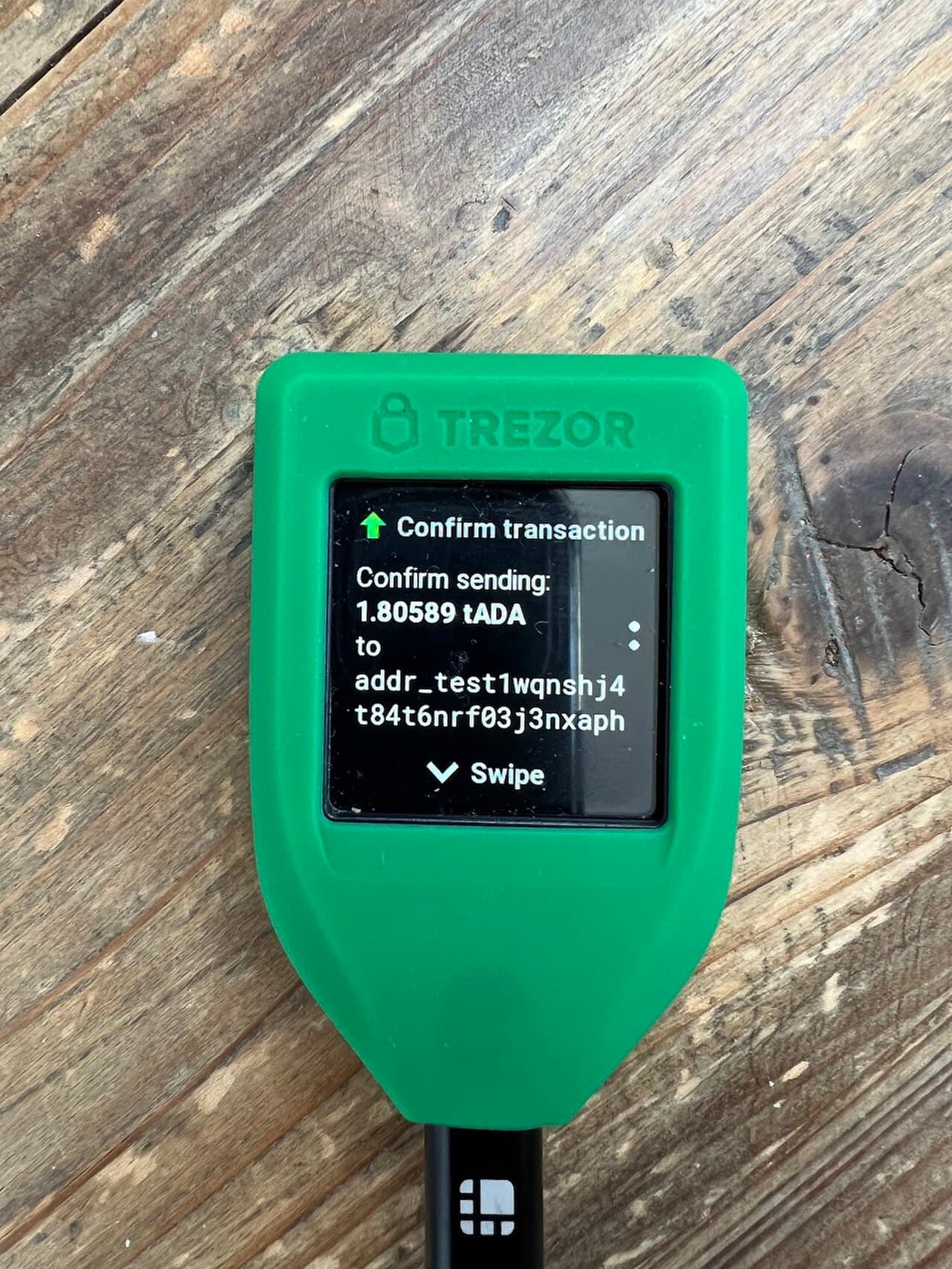
If a pasted destination address changes into a different one, it's usually "clipper" malware silently monitoring the clipboard and swapping in an attacker's address. Defend with full-string verification before sending, using QR codes or a saved address book, small test sends, and a final check on your hardware wallet's own screen.
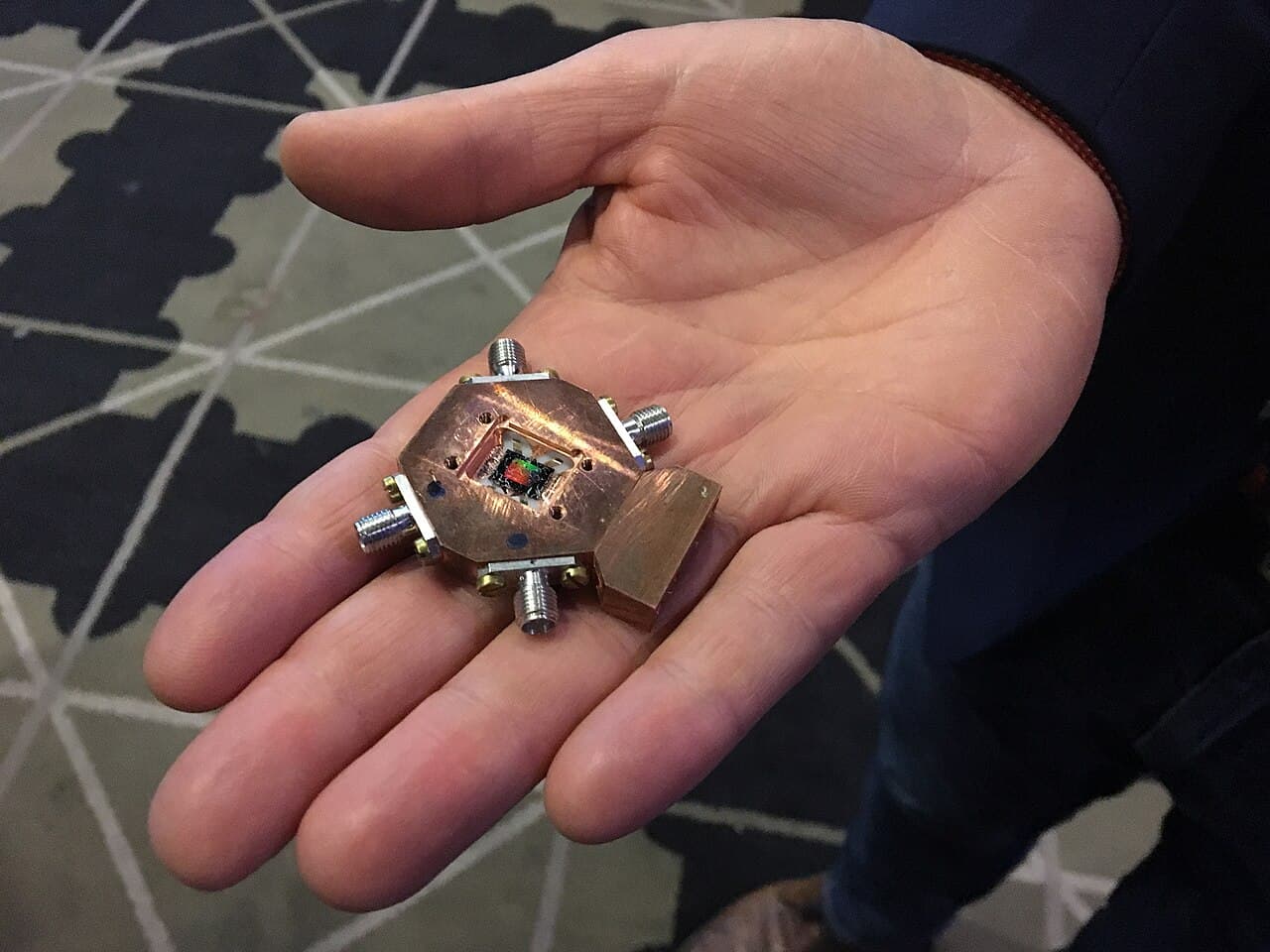
As of mid-2026, no quantum computer exists that can actually derive a Bitcoin private key. Risk is concentrated in coins whose public keys have already been exposed on-chain (estimated at roughly 20-30% of circulating supply). The developer community is discussing quantum-resistant address proposals (BIP-360/BIP-361), still in draft stage.
A 51% attack rewrites recent blocks with majority hashrate, enabling double-spending and transaction censorship — but it cannot steal other people's coins, forge signatures, or change the 21 million supply cap. It has never succeeded against Bitcoin itself, due to the enormous cost involved.
Whether it's "too late" isn't a question about the price level — it's a question about your risk tolerance and investment horizon. The realistic way to avoid buying the top is to invest only money you can afford to lose, spread across time via dollar-cost averaging, starting small.
The Strategic Bitcoin Reserve was created by a March 2025 executive order (EO 14233) under which the US government holds forfeited BTC instead of selling it. It does not require new taxes or large-scale purchases, and as of July 2026 it is still executive policy rather than law.