Guide
Bitcoin Address Types Explained: The Difference Between 1, 3, and bc1 (Legacy, SegWit, Taproot)
The bottom line: the first character tells you the type — when in doubt, low-fee native SegWit (bc1q) is the safe choice
A Bitcoin address's type can be identified by its first character. The type affects the size of the transaction data (and therefore the fee) and its compatibility with older wallets. Even if the recipient's address is a different type from yours, the transfer itself works without any problem.
Key points
- "1" = Legacy (P2PKH), "3" = P2SH, "bc1q" = native SegWit (bech32, P2WPKH), "bc1p" = Taproot (bech32m, P2TR)
- From SegWit onward, transactions are smaller, which helps keep sending fees low
- Sending to a recipient with a different type is fine (mixing is OK). Receiving depends on the format your wallet supports
- When in doubt, native SegWit (bc1q) is today's standard
The address types at a glance
| Prefix | Name | Technology | Encoding | Characteristics |
|---|---|---|---|---|
| 1 | Legacy | P2PKH | Base58 | The oldest format. Highly compatible but larger transaction size |
| 3 | P2SH | Script hash | Base58 | Used for multisig and "nested SegWit" |
| bc1q | Native SegWit | P2WPKH | bech32 (BIP173) | Smaller transaction size, easier to keep fees low |
| bc1p | Taproot | P2TR | bech32m (BIP350) | Introduced in 2021; enhanced privacy and flexibility |
Addresses starting with "3" are used for pure multisig (P2SH) as well as nested SegWit, in which SegWit is wrapped inside P2SH.
Why fees vary by address type
Bitcoin fees are determined not by the amount you send but by the size of the transaction data (sat/vB × virtual bytes). SegWit (bc1q) and Taproot (bc1p) handle signature data more efficiently, so the same transfer takes fewer virtual bytes than Legacy (1) — which makes fees easier to keep low. We explain the mechanics in detail in How Bitcoin fees work.
Which one should you use?
- If you're creating a new receiving address: native SegWit (bc1q), the default in most current wallets, is a safe bet
- If you're sending to an older service: some recipients can't accept bc1 formats, so the transfer may fail. In that case, use Legacy/P2SH or a service that supports bc1
- Taproot (bc1p): support among wallets and exchanges is growing, but some destinations still don't accept it
Things to watch when sending
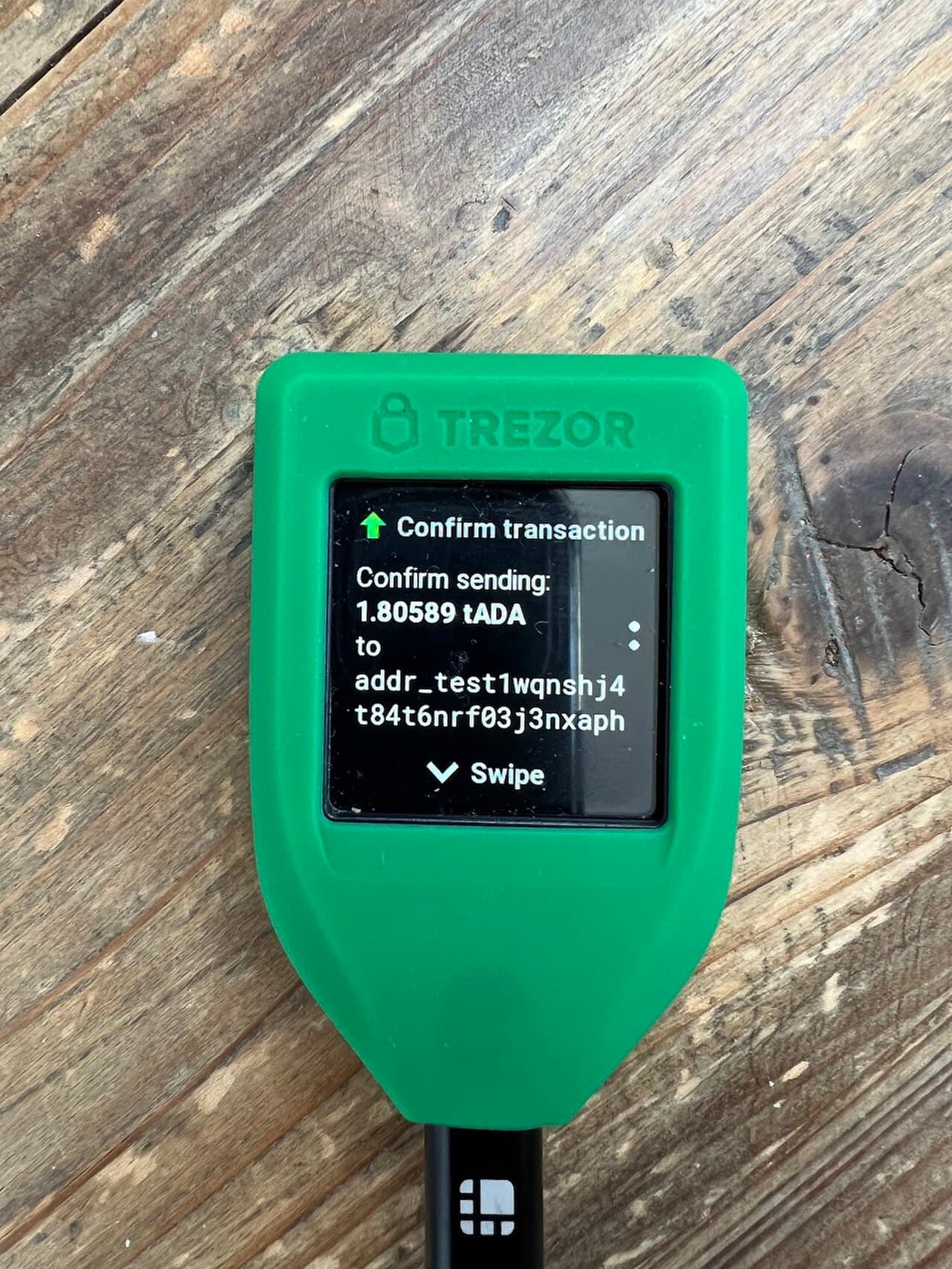
You can send between addresses of different types (mixing is OK). Note that bech32/bech32m addresses are not case-sensitive, but if even a single character is missing from a copy-and-paste, the transfer will fail. For the risks of and remedies for misdirected transfers, see What to do if you sent to the wrong address, and for storage in general see How to store Bitcoin.
Frequently asked questions
Is it safe to send to an address of a different type?
Yes. For example, sending from a "bc1q" wallet to a "1," "3," or "bc1p" address works with no problem. What matters is that the address string is exactly correct and that the destination is a valid format.
Which address format is the most recommended to use?
If you're unsure, native SegWit (bech32 addresses starting with bc1q) is a safe choice. Transactions are smaller, which helps keep fees low, and it's now the default in most wallets. You only need to match the recipient's supported format when sending to some older services.
What's the difference between bc1q and bc1p?
bc1q is a native SegWit (bech32, BIP173) P2WPKH address, while bc1p is a Taproot (bech32m, BIP350) P2TR address. Taproot was introduced in 2021 and improves privacy and script flexibility.
Sources
- BIP173: Base32 address format for native v0-16 witness outputs (bech32)
- BIP350: Bech32m format for v1+ witness addresses
- Address — Bitcoin Wiki
A note on investing
This article is for informational purposes only and is not investment advice. Bitcoin carries risks including price volatility, hacking, and loss. Make investment decisions at your own responsibility and only with funds you can afford to lose. Tax rules and regulations may change, so always confirm the latest details with official primary sources.
Sources
FAQ
- Is it safe to send to an address of a different type?
- Yes. For example, sending from a bc1q wallet to a "1," "3," or "bc1p" address works with no problem. What matters is that the address string is exactly correct and that the destination is a valid format.
- Which address format is the most recommended to use?
- If you're unsure, native SegWit (bech32 addresses starting with bc1q) is a safe choice. Transactions are smaller, which helps keep fees low, and it's now the default in most wallets. You only need to match the recipient's supported format when sending to some older services.
- What's the difference between bc1q and bc1p?
- bc1q is a native SegWit (bech32, BIP173) P2WPKH address, while bc1p is a Taproot (bech32m, BIP350) P2TR address. Taproot was introduced in 2021 and improves privacy and script flexibility.
This article is informational only and is not financial, investment, or trading advice. Prices are reference snapshots and may be outdated. Always do your own research.