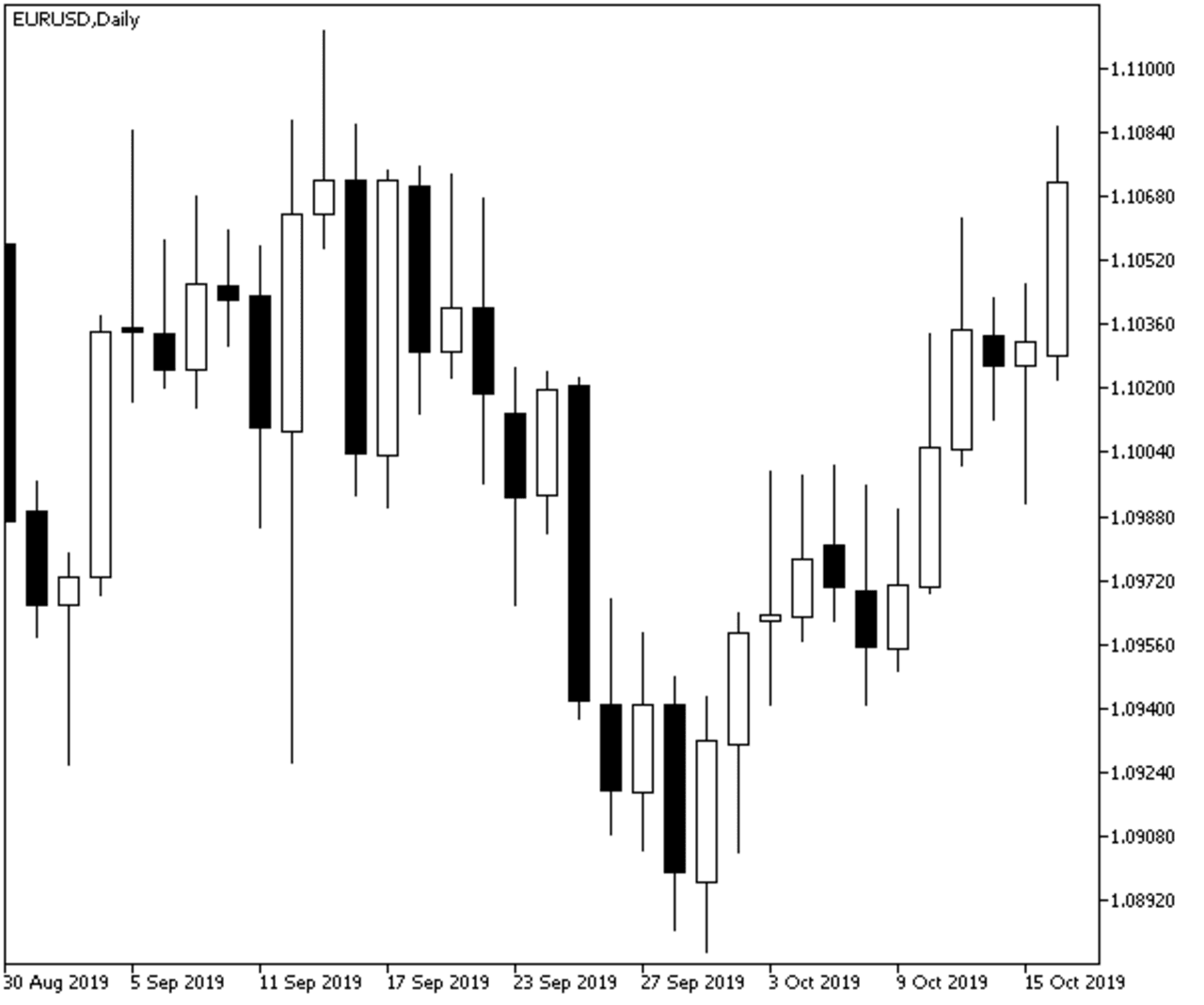
Bitcoin's price movements can be organized into five forces—supply (the halving and 21-million-coin cap), demand (spot ETF flows), macro (U.S. rates and the dollar), sentiment, and liquidity plus leverage liquidations—and the daily swings are the result of all of them acting at once.
You can technically reuse a Bitcoin address without losing funds, but it's discouraged: the public ledger links your balance and full history to third parties. HD wallets auto-generate a new address each time, so use a fresh one for every payment.
The most important factor in choosing a hardware wallet isn't a product ranking but always buying from an official or authorized seller (avoiding tampered, resold devices). From there, pick what fits your use across five criteria: open source/verifiability, BIP39 compliance, passphrase support, a screen, and budget.
Bitcoin is a Proof of Work currency, so staking does not exist; the only way to earn interest is lending (crypto lending). But high annual yields are compensation for risk, and in 2022 major lenders collapsed in a chain reaction, leaving some depositors unable to recover their principal.
The biggest difference between Bitcoin "spot" and "leverage (FX)" is that spot means owning the coin itself, while leverage uses cash settlement to trade beyond your margin. Beginners aiming to hold long-term should default to spot, which has no margin calls or liquidation.
A Bitcoin deposit usually fails to appear on an exchange because it's still waiting to reach the required number of confirmations. Check the TXID in a block explorer first; if confirmations are progressing, wait, and never double-send.
HODL is Bitcoin slang, born from a misspelling of "hold," for the mindset of holding on without panic-selling through short-term price swings. It originated in a December 2013 forum post titled "I AM HODLING."
MetaMask is EVM-based and can't receive BTC at a 0x address; since December 2025 it supports native Bitcoin via a dedicated bc1 address. Sending BTC to an EVM 0x address risks permanent loss, and cold wallets are safest for long-term storage.
To protect a Bitcoin exchange account from takeover, move two-factor authentication off SMS to an authenticator app (TOTP) or a hardware key (FIDO2/passkey). SMS is defeated by SIM swaps and was downgraded by NIST, so an authenticator app is the minimum bar and a hardware key is recommended for large holders.
Bitcoin's all-time high (ATH) was about $126,000, set on October 6–7, 2025 (≈ ¥18.95 million in yen). The dollar and yen highs differ in timing and level due to exchange rates, and figures vary by a few hundred dollars depending on the exchange.
Using a Bitcoin explorer just means pasting the TXID into the search box; confirmations, fees, and the destination display for free, and once there is 1 or more confirmations you can treat the funds as effectively received.
A Bitcoin fork is a split caused by a change to the blockchain's rules. There are two types: a backward-compatible soft fork (SegWit, Taproot) and a hard fork that breaks compatibility and creates a new cryptocurrency (Bitcoin Cash).
A Bitcoin limit order lets you set a price and wait to fill, while a market order fills instantly at the prices currently on the book. Use the exchange order book — a low-fee limit order when you're not in a hurry, a market order when you need certainty — and start with a small limit order to avoid the brokerage's wide spread and buy cheaper.
A Bitcoin whale is an informal term for a large address holding roughly 1,000 BTC or more. Because the blockchain is a public ledger, big transfers are trackable by anyone, and rising exchange inflows are read as a sign of selling pressure — but the intent behind a move can't be confirmed, and following whales has pitfalls.
Bitcoin's hash rate is the total number of hash computations the entire network attempts each second (measured in EH/s). The higher it is, the more hardware and electricity a 51% attack requires — making it a gauge of security that ties to the roughly two-week difficulty adjustment, with no direct causal link to price.
A satoshi (sats) is Bitcoin's smallest unit, and 1 BTC = 100,000,000 sats, with 0.00000001 BTC = 1 sat. An mBTC is 1/1,000 BTC (100,000 sats), while bits/μBTC are 1/1,000,000 BTC (100 sats).
Bitcoin's four-year cycle is the observation that, starting from the halving roughly every four years, the market has repeated rally, peak, decline, and bottom. The past three cycles peaked 12–18 months after the halving, but causation is unproven and the 2024 ETF approval may mean the next cycle differs.
Bitcoin transactions are irreversible, so a mistaken transfer usually can't be recovered. Coins sent to an exchange may be returned if you contact support, but funds sent to a personal wallet or an invalid address are almost always unrecoverable. Prevention is the only real safeguard.
Hal Finney was a cryptographer who received the first Bitcoin transaction (10 BTC) from Satoshi Nakamoto on January 12, 2009. He developed RPOW in 2004, was known for the "Running bitcoin" tweet, and died of ALS on August 28, 2014.
Bitcoin Cash (BCH) is a cryptocurrency that split from Bitcoin on August 1, 2017. The split was driven by a scaling dispute over the roughly 1MB block size cap, with BCH choosing to enlarge blocks to raise throughput.
You can buy bitcoin for just a few dollars, and it divides down to the satoshi. The goal at first is to get familiar with using it and its price swings; once comfortable, move on to DCA and self-custody.
Fake exchanges and phishing steal login credentials and authentication codes through look-alike domains, counterfeit apps, and fake emails or texts. Always open sites from bookmarks, use two-factor authentication and a hardware wallet, and verify that offshore platforms are properly registered—anyone asking for your seed phrase is a scammer.
Romance scams typically build intimacy on social or dating apps before luring victims into fake "investments" (pig butchering), while tech-support scams use fake virus warnings to get you on the phone and pay via prepaid cards or crypto. Distrust investment pitches from people you've never met and calls prompted by warning screens.
Dollar-cost averaging (DCA) into Bitcoin means buying a fixed amount at regular intervals to average out your purchase price. It curbs buying at a top and reduces emotional decisions, but price-volatility risk remains and gains are not guaranteed.
Celebrity impersonation investment scams start with fake social media ads that misuse the names and photos of famous people or government agencies. Victims are funneled into LINE/Messenger groups where shills and fake trading screens pressure them to send money. The real person is never involved—don't trust the celebrity in the ad, and verify the operator is registered.
The Crypto Fear & Greed Index is a 0–100 market-sentiment gauge from Alternative.me, where 0 is extreme fear and 100 is extreme greed. It's calculated from factors like volatility and volume and is a sentiment reference, not a trading signal.
A bitcoin transaction usually stays unconfirmed because the fee is too low and the mempool is congested. Check the status on mempool.space, then speed it up with RBF (sender) or CPFP (receiver). Avoid double-spending by re-sending.
Historically, lump-sum buying tends to produce higher average returns, but dollar-cost averaging (DCA) reduces buy-the-top regret and psychological strain. The outcome depends on the market, and each approach has weaknesses. Only ever invest money you can afford to lose.
Bitcoin Pizza Day (May 22) commemorates the first real-world Bitcoin payment: in 2010, Laszlo Hanyecz bought two pizzas for 10,000 BTC, worth roughly $41 at the time.
Without the seed keys, Bitcoin is lost forever when the owner dies. Sound planning combines a backup location, a trusted person, and a will or professional, and balances privacy with security using multisig, passphrases, and timelocks.
Bitcoin address types are identified by the first character: 1 = Legacy (P2PKH), 3 = P2SH, bc1q = native SegWit (bech32/P2WPKH), bc1p = Taproot (bech32m/P2TR). SegWit and later types tend to keep fees lower, and you can send between different types without issue.
Bitcoin transaction fees don't scale with the amount sent — they're set by transaction size (vBytes) × price (sat/vB). You can check current recommended feerates on mempool.space; fees tend to be lower when the network is quiet, but no specific time of day is guaranteed cheaper.
Bitcoin dominance measures BTC's share of the total cryptocurrency market cap. It helps read the market's structure, but rises and falls alone can't determine price direction or trading timing.
Bitcoin's PoW uses electricity as the cost of securing the network through computational competition. Cambridge University's CBECI estimated about 138 TWh per year (roughly 0.5% of global use) in 2025, with one finding that sustainable energy use had risen above 50%. Because assessments vary by calculation method and comparison, it's important to judge by the underlying data and assumptions.
To use Lightning, install a wallet and scan a QR (invoice) to pay, or show your own QR to receive. Wallets are custodial or non-custodial based on who holds the keys; it excels at small, instant payments but each type carries its own risks.
Mt. Gox was the world's largest Bitcoin exchange of its time until it lost roughly 850,000 BTC and collapsed in 2014. It showed the world the risk of leaving coins on an exchange and helped launch Japan's crypto regulation; creditor repayments began in July 2024.
If you lose your private key (seed phrase), your Bitcoin is generally unrecoverable and there's no rescue desk. Coins held on an exchange may be restored via support. The one safeguard is a secure seed phrase backup.
A Bitcoin node is a computer that stores the blockchain and verifies that transactions don't break the rules. Unlike mining, it earns no reward — it's the network's rule-enforcing guardian. Running your own full node lets you verify for yourself instead of trusting others, and improves your privacy.
Market cap is a metric of a crypto asset's size, calculated as "price × circulating supply." It's useful for comparing relative scale, but note that it is not the same as liquidity — you can't necessarily cash out at that figure.
A passphrase is an optional BIP39 string (the 25th word) that, added to your seed, generates a separate hidden wallet. It keeps funds safe even if the seed is stolen, but if you forget or mistype it, recovery is impossible—so store it reliably and separately from your seed.
Multisig is an m-of-n scheme in which m signatures out of n keys are required to spend bitcoin. Because one stolen key can't move funds and one lost key can still be recovered, it is stronger than single-sig against both theft and loss.
SegWit (Segregated Witness) was an upgrade added to Bitcoin in August 2017. It separated signature data to effectively boost capacity and fixed transaction-ID malleability. Implemented as BIP141, it became the foundation for the Lightning Network.
Bitcoin's difficulty adjustment happens every 2,016 blocks (about two weeks) and automatically keeps blocks roughly 10 minutes apart even as miners join or leave, supporting network stability and a predictable supply.
A Bitcoin confirmation is the number of blocks stacked on top of the block containing your transaction. Blocks arrive on average about every 10 minutes, rollbacks get harder as confirmations grow, exchanges typically require 1 to 6, and 0 confirmations still carry double-spend risk.
A UTXO (Unspent Transaction Output) is a "chunk of unspent money" on Bitcoin. Your balance is the sum of your UTXOs, not an account figure; sending spends UTXOs in full and creates change, and the number of UTXOs used affects the fee.
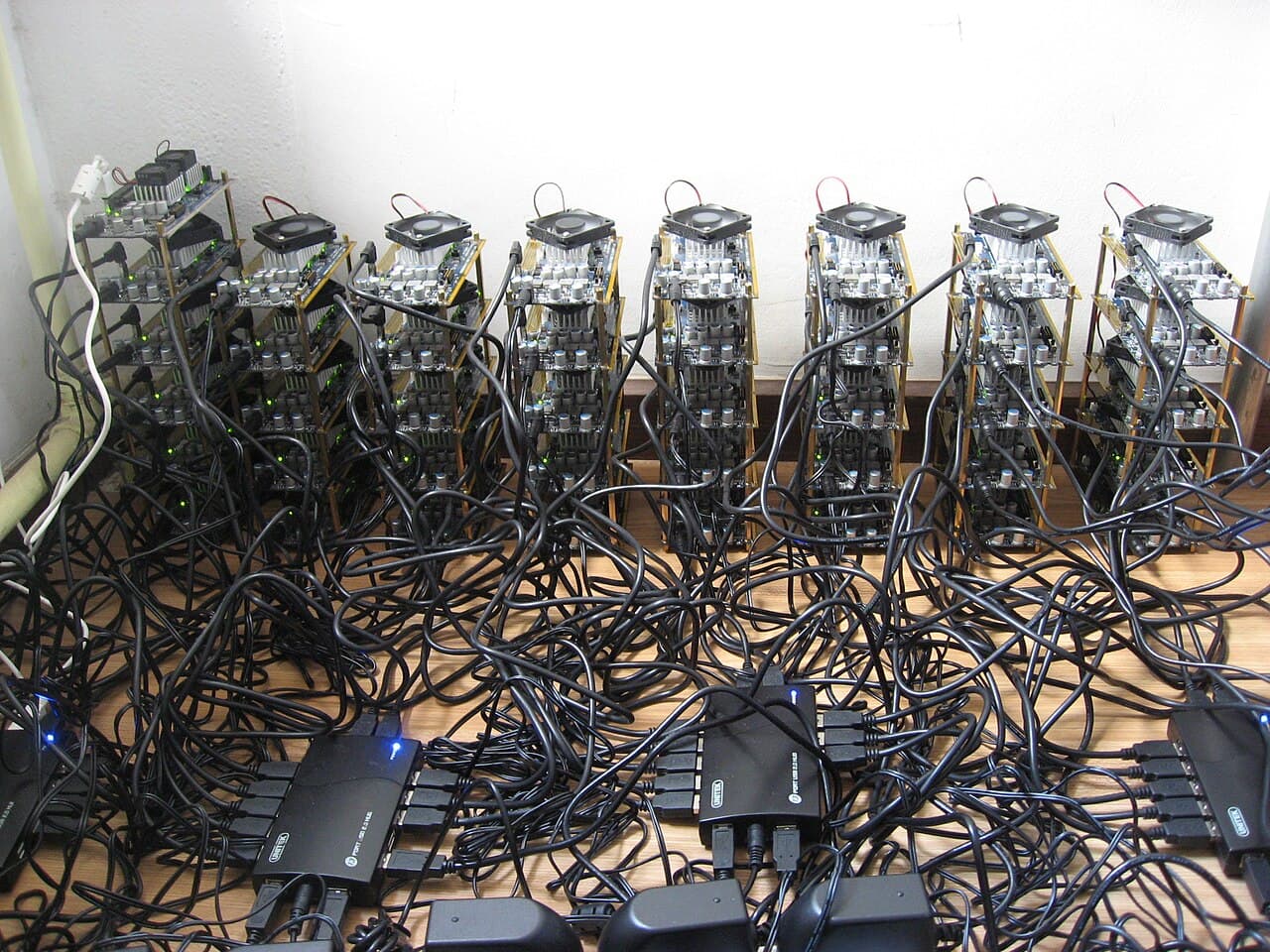
For individuals, home Bitcoin mining is very unfavorable today. Profitability hinges on four factors — electricity, hashrate, difficulty, and rewards — while the field is dominated by large operators running SHA-256 ASICs. Difficulty keeps rising and rewards halve at each halving, so no profit is ever guaranteed.
Your seed phrase (12–24 words) is the lifeline for restoring your wallet. Record it offline on paper, split it across multiple secure locations, and never screenshot, cloud-save, or share it — anyone who asks for your phrase is a scammer.
Ordinals are an inscription system that writes data onto individual satoshis (2023); Runes, released at the 2024 halving (block 840,000), issue fungible tokens. Both are debated new uses that can raise fees.