Guide
Bitcoin's Energy Use and the Environment: A Neutral Look at the Data
The Bottom Line: Electricity Is the Price of Security—And the Verdict Depends on the Assumptions
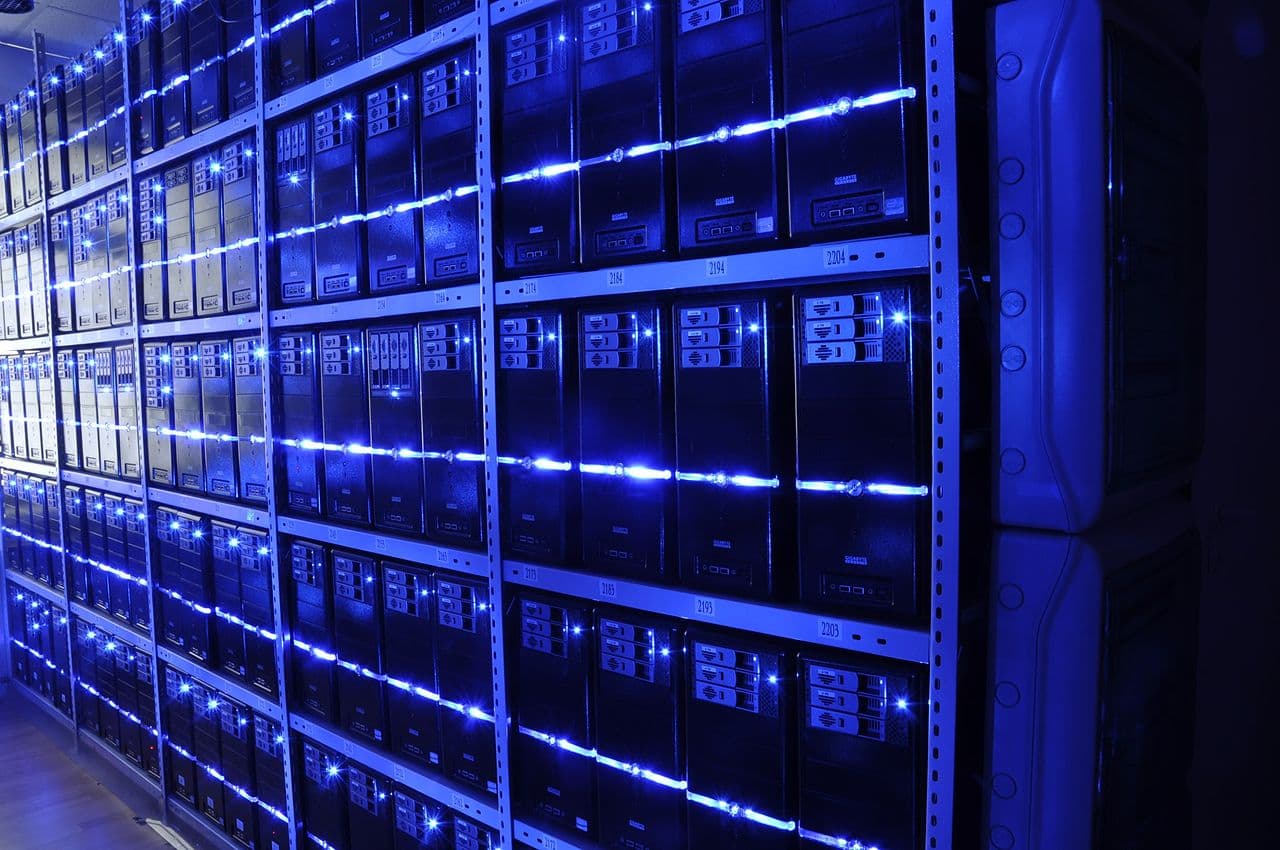
It's true that Bitcoin consumes electricity. The reason lies in a mechanism called Proof of Work (PoW). Miners around the world compete to solve computational puzzles, which makes tampering with the ledger extraordinarily difficult and keeps the network secure without any central authority. In other words, electricity consumption is the cost of buying security. You can review how this works in How Bitcoin Works and What Is Mining.
Key takeaways
- PoW uses electricity because it is a design that guarantees security through computational competition.
- The amount of electricity is estimated and published by Cambridge University's CBECI (updated daily).
- There are arguments on both sides over the renewable-energy share and emissions, so the conclusion depends on your assumptions.
- Whether it's "bad" or "harmless" can't be reduced to a single label—judge it by looking at the data and the comparison conditions.
How Much Electricity Does It Use? (CBECI)
The most widely cited estimate of electricity consumption comes from the University of Cambridge (Cambridge Centre for Alternative Finance): the CBECI (Cambridge Bitcoin Electricity Consumption Index). The CBECI presents a range of estimates (a lower and upper bound) and is refreshed every 24 hours. The correct way to read it is not as a single fixed figure but as a range of estimates.
In a study Cambridge published in 2025, Bitcoin's annual electricity consumption was estimated at about 138 TWh (roughly 0.5% of global electricity use) (a figure as of the time of the study, which will continue to change).
How to read the numbers
Electricity consumption is always shifting with hardware efficiency, price, and hash rate. For the latest figure, always check the official CBECI site and note the "as of" (reference date).
The Debate Over the Environment
| The critics' arguments | The defenders' arguments |
|---|---|
| It drives large-scale electricity use and CO2 emissions | Use of surplus power, renewables, and flared gas is increasing |
| It's consumption out of proportion to its purpose | It's the price paid for the value of security |
| It's less efficient than existing systems | The reference points (banks, mining, cash) are hard to quantify |
That same 2025 Cambridge study also found that, based on reported data, the use of sustainable energy (renewables plus nuclear) had risen above 50% (though this is an estimate based on responding companies and does not cover all mining). At the same time, factors such as a rising share of natural gas mean the assessment is not simple.
Why "Comparison" Is So Hard
- The number changes with the calculation method: estimates rise or fall depending on assumptions about hardware and power mix.
- The energy mix varies by region: for the same amount of consumption, the environmental impact differs greatly depending on whether it's mostly renewable or mostly fossil fuel.
- The definition of the comparison target: comparisons with the banking system, gold mining, or cash circulation shift in their conclusions depending on how you draw the boundaries.
That's precisely why you shouldn't pass judgment based on a single headline figure alone. It's important to check "when, based on which estimate, and compared to what."
Frequently Asked Questions
Q. Why does Bitcoin use electricity? A. It's because of the PoW mechanism, in which miners around the world compete computationally to make tampering difficult. The electricity consumption is the price paid to keep the network secure.
Q. How much electricity does it consume per year? A. Cambridge University's CBECI publishes estimates, and a 2025 study estimated about 138 TWh per year (roughly 0.5% of the global total). The figure fluctuates, so check the latest value from the official source.
Q. Is renewable energy used? A. The 2025 Cambridge study reported that the combined use of sustainable energy—renewables plus nuclear—had risen above 50%. However, this is an estimate based on responding companies, and there are regional differences.
Q. So, is it bad for the environment? A. There's no simple answer. The assessment changes with the power mix, calculation method, and comparison target. It's best to check the assumptions behind the data before judging.
Sources
- Cambridge CBECI (Bitcoin Electricity Consumption Index): https://ccaf.io/cbnsi/cbeci/methodology
- Cambridge Judge Business School, "Sustainable energy rising in Bitcoin mining" (2025): https://www.jbs.cam.ac.uk/2025/cambridge-study-sustainable-energy-rising-in-bitcoin-mining/
- bitcoin.org, "How does Bitcoin work?": https://bitcoin.org/en/how-it-works
A note before investing
This article is for informational purposes only and is not investment advice. Bitcoin carries risks including price volatility, hacking, and loss. Make investment decisions at your own responsibility and only with funds you can afford to lose. Tax rules and regulations can change, so always verify the latest information from official primary sources.
Sources
FAQ
- Why does Bitcoin use electricity?
- It's because of the PoW mechanism, in which miners around the world compete computationally to make tampering difficult. The electricity consumption is the price paid to keep the network secure.
- How much electricity does it consume per year?
- Cambridge University's CBECI publishes estimates, and a 2025 study estimated about 138 TWh per year (roughly 0.5% of the global total). The figure fluctuates, so check the latest value from the official source.
- Is renewable energy used?
- The 2025 Cambridge study reported that the combined use of sustainable energy—renewables plus nuclear—had risen above 50%. However, this is an estimate based on responding companies, and there are regional differences.
- So, is it bad for the environment?
- There's no simple answer. The assessment changes with the power mix, calculation method, and comparison target. It's best to check the assumptions behind the data before judging.
This article is informational only and is not financial, investment, or trading advice. Prices are reference snapshots and may be outdated. Always do your own research.