Guide
What Is a Bitcoin Node? The Role It Plays and Why You Might Run One
The Short Answer: The "Verifier" That Checks the Rules and Upholds the Ledger
A Bitcoin node is a computer that stores a copy of the blockchain and independently checks that incoming transactions and blocks don't break the rules. Because nodes spread all over the world verify one another against the same rules, Bitcoin can keep working correctly with no central administrator.
Key takeaways
- A node is a participant that stores the ledger and verifies that transactions don't violate the rules.
- It's different from mining. A node earns no reward; it handles verification and rule enforcement.
- Running your own node lets you live by "Don't trust, verify."
- There are different types — "full nodes," "lightweight (SPV) nodes," and more — chosen to fit your needs.
How a Node Differs From Mining
The two are often confused, but their roles are different.
| Role | Node | Miner |
|---|---|---|
| Main job | Verifies transactions and blocks, stores the ledger | Competes computationally to create new blocks |
| Reward | None (run voluntarily) | Newly issued coins + fees |
| What's needed | PC, storage, internet connection | Specialized hardware (ASICs) and large amounts of electricity |
Even a block produced by a miner will be rejected by nodes if it breaks the rules. In other words, nodes are the ultimate gatekeepers that enforce the network's rules.
Full Nodes and Lightweight Nodes
- Full node: Stores the entire history of the blockchain and verifies everything itself. The most self-reliant option.
- Pruned node: Performs full verification but trims away old data to save storage space.
- Lightweight (SPV) node: Doesn't hold the full history and relies on other nodes for part of the work. Used by smartphone wallets and similar apps.
The most well-known software is "Bitcoin Core," which anyone can download for free to run their own full node.
Why You Might Run Your Own Node
- Verify for yourself instead of trusting others: Rather than taking an exchange's or service's word for your balance, you can confirm it with your own node.
- Better privacy: If you connect your own wallet to your own node, you have less need to query third parties.
- Contributing to the network: The more verifiers there are, the more decentralized and robust Bitcoin becomes.
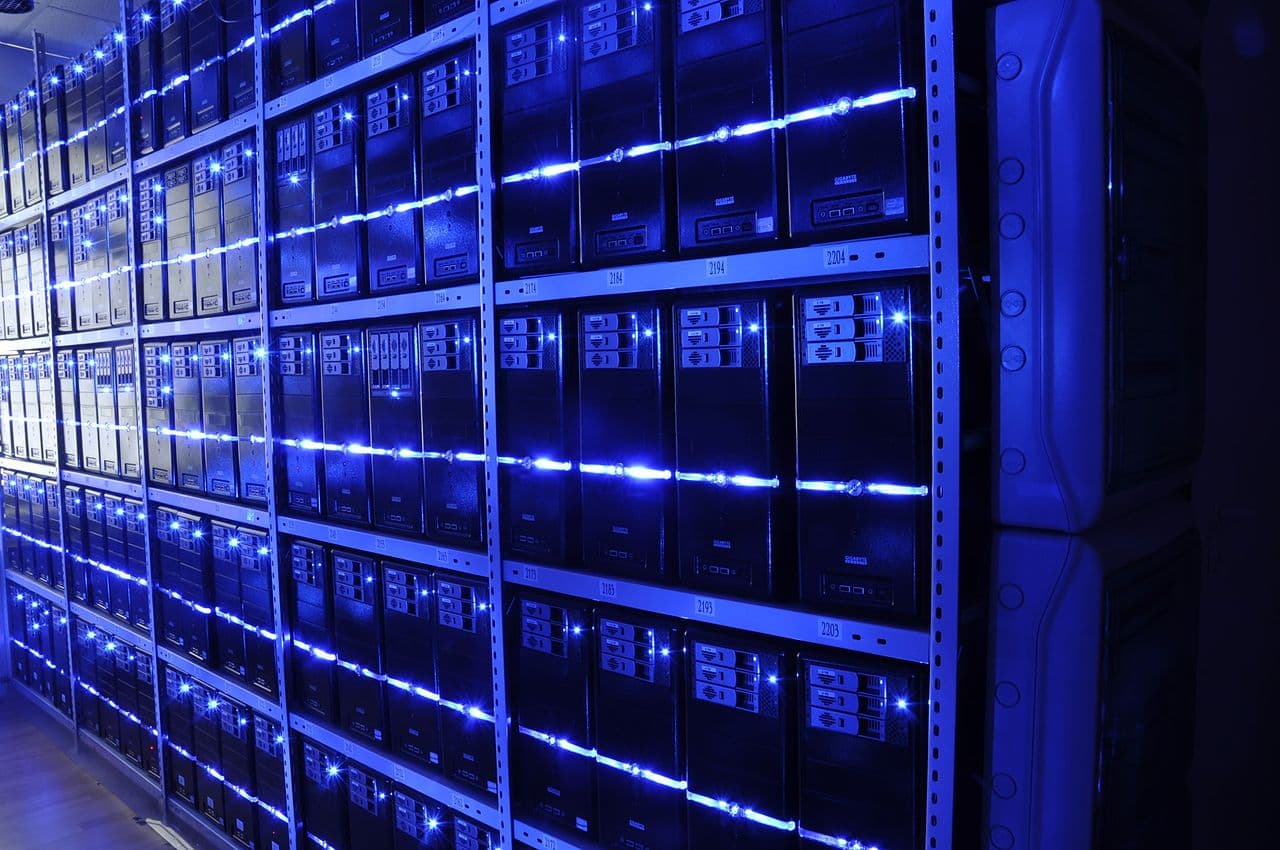
On the other hand, you'll need storage (several hundred GB), a stable connection, and time for the initial sync. It isn't required, but if you're interested in using Bitcoin in a self-reliant way, it's worth considering.
Frequently Asked Questions
Q. Do you earn a reward for running a node? A. No. Rewards go to mining. Nodes handle verification and rule enforcement.
Q. Are mining and running a node the same thing? A. No, they're different. Miners create blocks, and nodes verify whether the transactions inside them are valid.
Q. Can I do it on an ordinary PC? A. Yes. With enough storage and a good connection, you can run a full node even on a home computer.
Q. Do I have to run a node to use Bitcoin? A. No. Most people use lightweight wallets. Running a node is an option for those who want to verify things themselves.
References & Sources
- bitcoin.org, "Running a full node": https://bitcoin.org/en/full-node
- Bitcoin Wiki, "Full node": https://en.bitcoin.it/wiki/Full_node
A note before investing
This article is for informational purposes only and is not investment advice. Bitcoin carries risks including price volatility, hacking, and loss. Make investment decisions at your own responsibility and only with money you can afford to lose. Tax and regulatory rules can change, so always check up-to-date official primary sources.
Sources
FAQ
- Do you earn a reward for running a node?
- No. Rewards go to mining. Nodes handle verification and rule enforcement.
- Are mining and running a node the same thing?
- No, they're different. Miners create blocks, and nodes verify whether the transactions inside them are valid.
- Can I do it on an ordinary PC?
- Yes. With enough storage and a good connection, you can run a full node even on a home computer.
This article is informational only and is not financial, investment, or trading advice. Prices are reference snapshots and may be outdated. Always do your own research.