Guide
How to Store Bitcoin Safely: Self-Custody, Hot vs Cold Wallets
Bottom line: control your keys, and split hot vs cold
If you hold bitcoin, how you store it matters as much as buying it. The phrase to remember is "not your keys, not your coins." Coins left on an exchange are controlled by that exchange; if it is hacked or goes insolvent, you can lose them (as customers learned with Mt. Gox). Taking control of your own private keys is called self-custody.
Key takeaways
- Whoever holds the private keys controls the bitcoin. Leaving large amounts on an exchange carries hack and insolvency risk.
- Hot wallets (online) are convenient for small, frequent use; cold wallets (offline) are safer for savings.
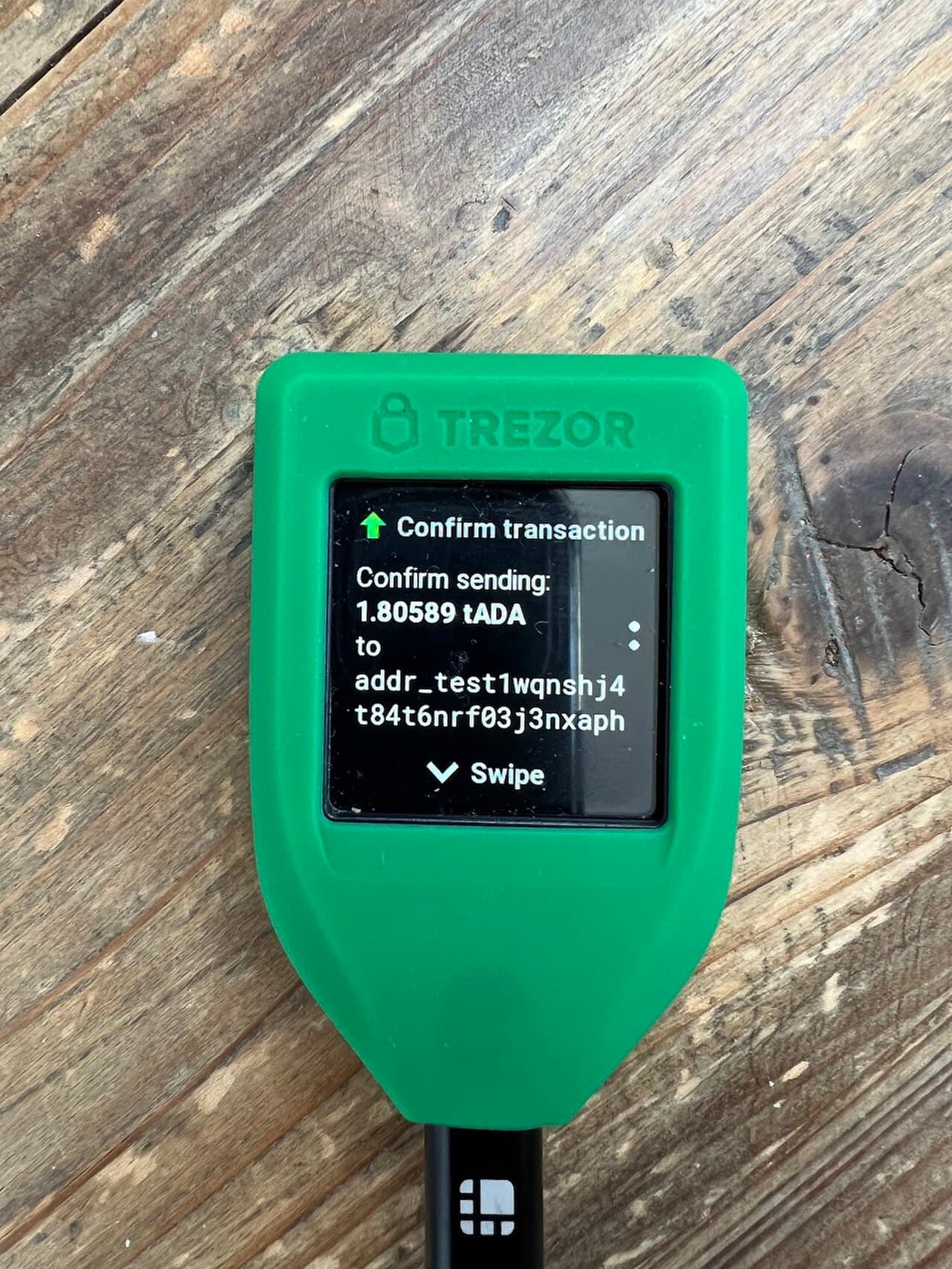
- A hardware wallet keeps keys offline and is a common choice for self-custody.
- Your seed phrase (recovery words) is the master backup — protect it offline; never type it into a website.
What a wallet actually stores
A bitcoin "wallet" does not store coins like a physical wallet. The coins live on the blockchain; the wallet stores the private keys that let you spend them. So security is really about key management. For background, see what is Bitcoin.
Custodial vs self-custody
| Custodial (on an exchange) | Self-custody (your wallet) | |
|---|---|---|
| Who holds the keys | The exchange | You |
| Convenience | High (easy to trade) | You manage backups |
| Main risk | Exchange hack / insolvency | Losing your own keys/seed |
| Best for | Active trading, small amounts | Holding savings |
Neither is "wrong" — many people use an exchange to buy (see how to buy Bitcoin) and then move longer-term holdings into self-custody.
Hot wallets vs cold wallets
- Hot wallet — software on a phone or computer, always connected to the internet. Convenient for small amounts and everyday use, but more exposed to malware and phishing.
- Cold wallet — keys kept offline. A hardware wallet (a dedicated device) signs transactions without exposing the keys to your internet-connected computer. Best for larger, long-term holdings.
A common pattern: a small amount in a hot wallet for spending, the bulk in cold storage.
Protecting your seed phrase
When you set up a self-custody wallet, it generates a seed phrase (typically 12 or 24 words). Anyone with those words can restore the wallet and take the funds. Basic rules:
- Write it down offline (paper or metal). Do not store it as a plain photo or cloud note.
- Never enter it on a website or share it — no legitimate service will ask for it. That request is a scam.
- Keep a backup in a separate, secure location to survive fire or loss.
- Verify addresses before sending; transactions are irreversible.
FAQ
Q. Is it safe to leave bitcoin on an exchange? A. For small, active amounts it can be acceptable, but the exchange controls the keys. For larger or long-term holdings, self-custody reduces hack and insolvency risk.
Q. What is the difference between a hot and cold wallet? A. A hot wallet is connected to the internet (convenient, more exposed). A cold wallet keeps keys offline (safer for savings).
Q. What happens if I lose my seed phrase? A. If you lose the seed and the device, the bitcoin is effectively unrecoverable. Back up the seed offline in more than one secure place.
Q. Do I need a hardware wallet? A. Not for tiny amounts, but it is a common, sensible choice once your holdings are large enough to justify the cost.
Sources
- bitcoin.org — Secure your wallet: https://bitcoin.org/en/secure-your-wallet
- bitcoin.org — Choose your wallet: https://bitcoin.org/en/choose-your-wallet
- Wallet (Bitcoin Wiki): https://en.bitcoin.it/wiki/Wallet
Not investment advice
This article is for educational purposes only and is not investment advice. Bitcoin is volatile and carries risks including loss and theft. Do your own research and only use money you can afford to lose. Tax and regulation can change — always confirm with the official primary source.
Sources
FAQ
- Is it safe to leave bitcoin on an exchange?
- For small, active amounts it can be acceptable, but the exchange controls the keys. For larger or long-term holdings, self-custody reduces hack and insolvency risk.
- What is the difference between a hot and cold wallet?
- A hot wallet is connected to the internet (convenient, more exposed). A cold wallet keeps keys offline (safer for savings).
- What happens if I lose my seed phrase?
- If you lose the seed and the device, the bitcoin is effectively unrecoverable. Back up the seed offline in more than one secure place.
- Do I need a hardware wallet?
- Not for tiny amounts, but it is a common, sensible choice once your holdings are large enough to justify the cost.
This article is informational only and is not financial, investment, or trading advice. Prices are reference snapshots and may be outdated. Always do your own research.