Guide
What Is Bitcoin? A Beginner's Guide to How BTC Works
Bottom line: a capped, decentralized digital currency
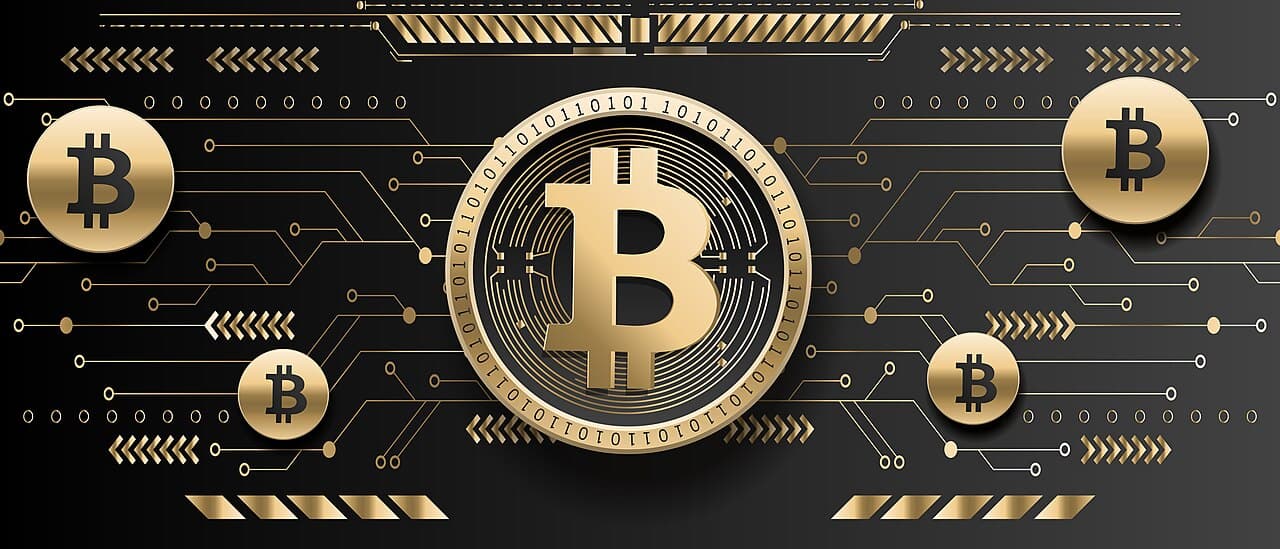
Bitcoin (BTC) is a decentralized digital currency — no single country, company, or bank controls it. It was introduced in a 2008 paper by the pseudonymous Satoshi Nakamoto and went live on 3 January 2009 with its first block. Instead of a central administrator, computers around the world share and verify the same record of transactions.
Key takeaways
- Bitcoin is decentralized — no central issuer or controller. The supply is capped at 21 million coins.
- Transactions are recorded on a blockchain, a tamper-resistant shared ledger.
- New coins are created through mining (Proof of Work), and the halving cuts new issuance roughly every four years.
- Often called "digital gold" (a store of value) — but the price is highly volatile.
What made Bitcoin new
Earlier forms of digital money faced the "double-spending" problem (the same coin copied and spent twice). Bitcoin solved it without a middleman, by having the whole network agree on which transactions are valid.
- Permissionless: send value 24/7, worldwide, with no account approval.
- Fixed supply: capped at 21 million coins, unlike fiat money that central banks can print.
- Verifiable: anyone can audit the public ledger.
How it works (in three parts)
- Blockchain — transactions are grouped into "blocks," each referencing the previous block's hash, chained together so tampering is practically impossible.
- Mining & Proof of Work — miners compete in a huge computation to add the next block; the winner earns newly issued bitcoin plus fees. This is the consensus mechanism.
- Supply & halving — issuance halves about every 210,000 blocks (~4 years): 2012, 2016, 2020 and April 2024, approaching the 21 million cap.
| Halving | Block reward |
|---|---|
| 2012 | 50 → 25 BTC |
| 2016 | 25 → 12.5 BTC |
| 2020 | 12.5 → 6.25 BTC |
| April 2024 | 6.25 → 3.125 BTC |
Bitcoin vs. cash and gold
Bitcoin combines scarcity (a hard cap) with portability (it moves globally in minutes), which is why it is sometimes called "digital gold." But it is far more volatile than gold or fiat and is not a guaranteed safe haven.
For a full side-by-side comparison, see Bitcoin vs. Gold.
How do you hold or use it?
See the full how to buy Bitcoin walkthrough, and learn safe storage in the wallet-and-self-custody section of that guide. Small, fast payments can also use the Lightning Network, a layer built on top of Bitcoin. Once you're ready to actually use it for a purchase, see how to spend Bitcoin. And to keep up with what's happening with Bitcoin day to day — price moves, halving updates, regulation — see BIT NEWS's front page for the latest headlines and market data in one place.
FAQ
Q. Who controls Bitcoin? A. No one. Participants worldwide follow the same software rules and keep the network running by consensus.
Q. Why 21 million? A. To preserve scarcity and avoid unlimited issuance. The last coin is projected to be mined around 2140.
Q. Do I have to buy a whole bitcoin? A. No. It divides down to 1/100,000,000 (one "satoshi"), so you can buy a tiny fraction.
Q. Is Bitcoin the same as blockchain? A. No. Blockchain is the technology; Bitcoin is the first major application built on it.
Sources
- Bitcoin Whitepaper (bitcoin.org): https://bitcoin.org/bitcoin.pdf
- bitcoin.org — How it works: https://bitcoin.org/en/how-it-works
- History of bitcoin (Wikipedia): https://en.wikipedia.org/wiki/History_of_bitcoin
Related reading on Bitcoin's security model:
- Bitcoin scams and how to avoid them
- What is a 51% attack?
- Is quantum computing a threat to Bitcoin?
- What is a clipboard-hijack malware attack?
- What is a dust attack?
- What is double-spending?
Not investment advice
This article is for educational purposes only and is not investment advice. Bitcoin is volatile and carries risks including loss and theft. Do your own research and only use money you can afford to lose. Tax and regulation can change — always confirm with the official primary source.
Sources
FAQ
- Who controls Bitcoin?
- No one. Participants worldwide follow the same software rules and keep the network running by consensus.
- Why 21 million?
- To preserve scarcity and avoid unlimited issuance. The last coin is projected to be mined around 2140.
- Do I have to buy a whole bitcoin?
- No. It divides down to one satoshi (1/100,000,000), so you can buy a tiny fraction.
- Is Bitcoin the same as blockchain?
- No. Blockchain is the technology; Bitcoin is the first major application built on it.
This article is informational only and is not financial, investment, or trading advice. Prices are reference snapshots and may be outdated. Always do your own research.