Guide
How to Spend Bitcoin: Paying In-Store, Online, and Donating (Beginner's Guide)
The short answer: just scan a QR code and send — but mind the tax
Paying with Bitcoin isn't hard. At its core, you simply scan the recipient's QR code (or address) in your own wallet, confirm the amount, and send. For small, instant payments, use the Lightning Network; for larger amounts or standard transfers, use on-chain (a regular Bitcoin transaction). One important caveat: in Japan, and in many other jurisdictions, spending Bitcoin itself is treated as a "use (disposal)" for tax purposes, which means you may need to calculate a capital gain or loss.
Key takeaways
- The basic flow is: scan the QR/address → confirm the amount → send.
- Use Lightning for small, instant payments and on-chain for larger ones.
- You can pay in physical stores, online, or via donations — but acceptance varies by merchant (neutral).
- In Japan, "paying with Bitcoin = use (disposal)," which may require a gain/loss calculation and tax filing (per the National Tax Agency).
The basic steps to pay
- Set up a wallet to pay from, and make sure it holds a balance.
- Have the merchant or service display their payment QR code (or receiving address).
- Scan the QR with your wallet's camera (the amount or invoice is often filled in automatically).
- Always double-check the amount, fee, and destination before sending.
- Wait for confirmation (block confirmations for on-chain; near-instant for Lightning).
For detailed instructions on sending itself, and tips to avoid mistakes like mistyping an address, see How to send Bitcoin.
On-chain vs. Lightning: which to use
| Aspect | On-chain (standard transfer) | Lightning |
|---|---|---|
| Speed | Wait for block confirmation | Near-instant |
| Fees | Can rise when the network is congested | Tends to be very cheap for small payments |
| Best amount | Larger amounts | Small amounts (e.g., a coffee) |
| Best use case | Transfers to exchanges, etc. | In-store, tips, small donations |
For a small payment like a single cup of coffee, Lightning is the better fit in terms of both fees and speed. To understand how it works, see What is the Lightning Network?.
Where can you use it? (neutral examples)
The places you can spend Bitcoin keep expanding year by year, but acceptance varies widely from one merchant or service to another. Here is a general breakdown (this is not an endorsement of any specific service):
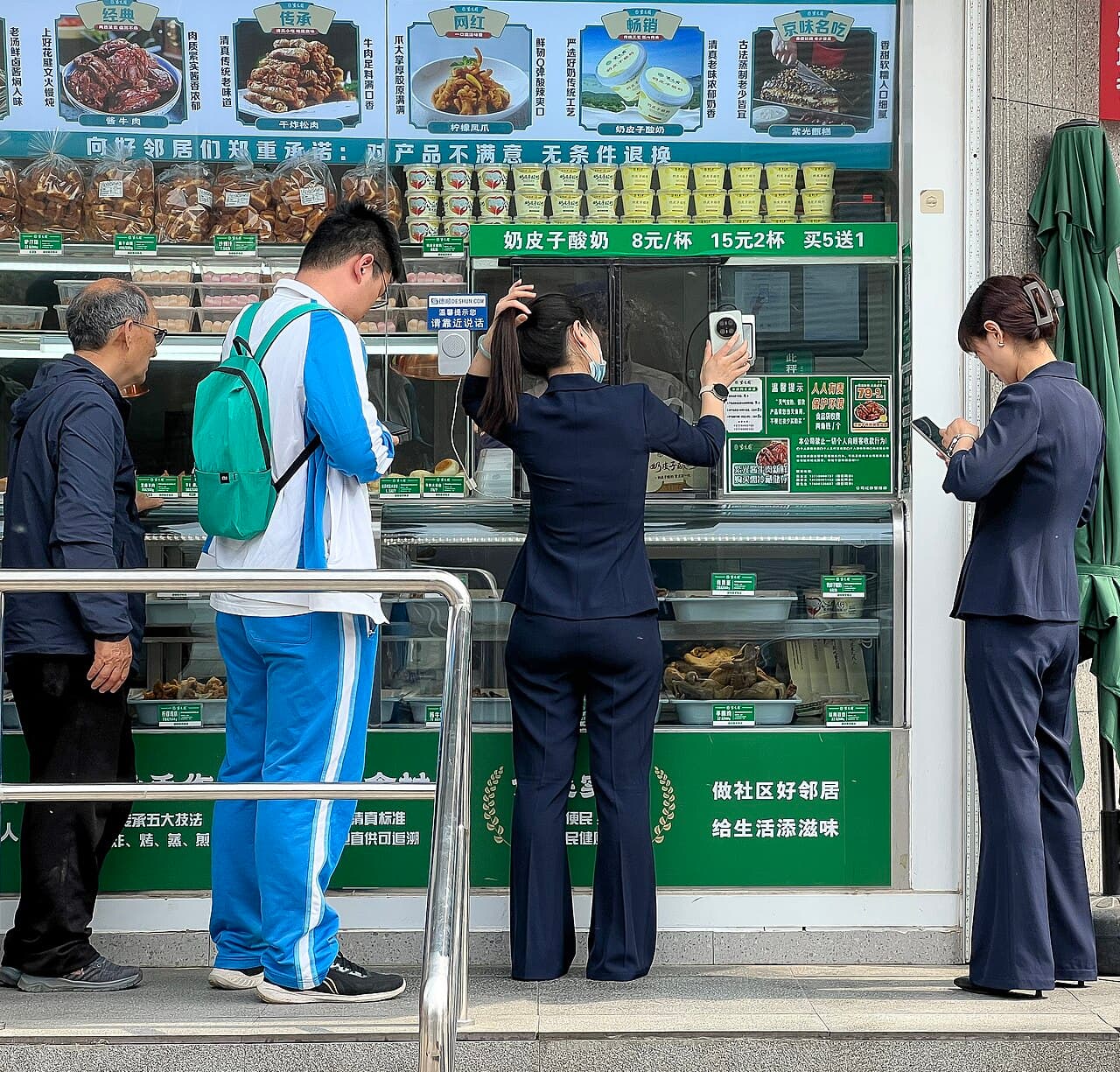
- Physical stores: cafés, restaurants, and retailers that accept it can take QR payments at the register.
- Online: some e-commerce sites and digital services let you choose it as a payment method.
- Donations: nonprofits and open-source projects sometimes publish a Bitcoin address.
- Payment processors and gift-card services: many merchants that "accept Bitcoin" are actually using a crypto payment processor (for example, BitPay operates a directory of several hundred participating merchants) that converts the BTC to fiat for the merchant instantly. Gift-card marketplaces (for example, Bitrefill) let you spend BTC at retailers that don't take crypto directly, by buying a gift card with it. Some crypto debit cards also convert BTC to fiat at the point of sale, so it can be spent anywhere a regular card is accepted. These are examples of real, active spending rails as of 2026 — not an endorsement of any one provider — and availability varies by country.
Before you pay, always confirm whether the merchant "actually accepts Bitcoin" and "whether it's on-chain or Lightning."
Mind the tax (using it = a disposal)
Under Japan's National Tax Agency guidance, income (a gain or loss) can arise from crypto assets not only when you sell them, but also when you use them to buy goods or services, or when you exchange them for another crypto asset. In other words, if you pay with Bitcoin that has appreciated since you acquired it, that difference can become taxable income. In principle, such gains are treated as miscellaneous income (aggregate taxation), and a tax return may be required. It's important to keep records of your acquisition cost (when and at what price you obtained the coins). For details, always consult the primary source from the tax authority. Rules differ by country, so check your local regulations.
Frequently asked questions
Q. Is it hard to pay with Bitcoin? A. Not really — you just scan the QR code in your wallet, confirm the amount, and send. For small amounts, Lightning is handy because it's almost instant.
Q. Should I pay on-chain or with Lightning? A. As a rule of thumb, use Lightning for small, instant payments like a coffee, and on-chain for larger amounts. Match whichever method the merchant supports.
Q. Does spending Bitcoin trigger tax? A. In Japan, spending counts as a "use (disposal)," so if the coins have appreciated since you acquired them, it can be subject to a gain/loss calculation. It may need to be reported as miscellaneous income (per the National Tax Agency). Rules vary by country.
Q. Can I get my money back if I send to the wrong address? A. Blockchain transactions generally cannot be reversed. Always verify the address, amount, and network before sending.
Sources
- bitcoin.org — Getting started: https://bitcoin.org/en/getting-started
- National Tax Agency (Japan) — Tax treatment of crypto assets: https://www.nta.go.jp/publication/pamph/shotoku/kakuteishinkokukankei/kasoutuka/
- National Tax Agency (Japan) — Tax Answer No.1524 (when a gain arises from using crypto assets): https://www.nta.go.jp/taxes/shiraberu/taxanswer/shotoku/1524.htm
A note on investing
This article is for informational purposes only and is not investment advice. Bitcoin carries risks including price volatility, hacking, and loss. Make investment decisions at your own responsibility and only with funds you can afford to lose. Tax rules and regulations can change, so always verify the latest information from official primary sources.
Sources
FAQ
- How to spend Bitcoin?
- Scan the recipient's QR code or address in your wallet, confirm the amount, and send. Use the Lightning Network for small, instant payments and a regular on-chain transaction for larger amounts.
- How to spend BTC?
- The same way as spending Bitcoin: open your wallet, scan the merchant's QR code or address, confirm the amount and fee, and send. BTC is simply Bitcoin's ticker symbol, so the process is identical.
- Is it hard to pay with Bitcoin?
- Not really — you just scan the QR code in your wallet, confirm the amount, and send. For small amounts, Lightning is handy because it's almost instant.
- Should I pay on-chain or with Lightning?
- As a rule of thumb, use Lightning for small, instant payments like a coffee, and on-chain for larger amounts. Match whichever method the merchant supports.
- Does spending Bitcoin trigger tax?
- In Japan, spending counts as a "use (disposal)," so if the coins have appreciated since you acquired them, it can be subject to a gain/loss calculation. It may need to be reported as miscellaneous income (per the National Tax Agency). Rules vary by country.
- Can I get my money back if I send to the wrong address?
- Blockchain transactions generally cannot be reversed. Always verify the address, amount, and network before sending.
- Can I spend Bitcoin somewhere that doesn't accept it directly?
- Yes. Gift-card marketplaces like Bitrefill let you buy a gift card for a retailer with BTC, and crypto debit cards convert BTC to fiat at checkout so it can be spent like a regular card. Some merchants that appear to "accept Bitcoin" are actually using a payment processor like BitPay, which converts your BTC to fiat and pays the merchant directly.
This article is informational only and is not financial, investment, or trading advice. Prices are reference snapshots and may be outdated. Always do your own research.