RBF replaces an unconfirmed transaction with a higher-fee one spending the same inputs. Since Bitcoin Core 28.0 in October 2024, full RBF is the default, so replacement no longer depends on the sender signalling for it.
Proof of work means only someone who has actually spent computation can add a block. Rewriting history means paying that cost all over again, which is why older transactions become effectively impossible to reverse.
The exact number of global Bitcoin owners is unknown because blockchain records addresses, not people. Triple-A estimated over 560 million global crypto owners (6.8% of world population) as of 2024; Bitcoin-specific estimates vary by hundreds of millions depending on methodology.
On-chain analysis (the "Patoshi Pattern") suggests roughly 1.1 million BTC (about 5% of the supply cap), mined in 2009-2010, remains unspent and is statistically attributed to a single early miner believed to be Satoshi Nakamoto. This is an estimate, not confirmed ownership.
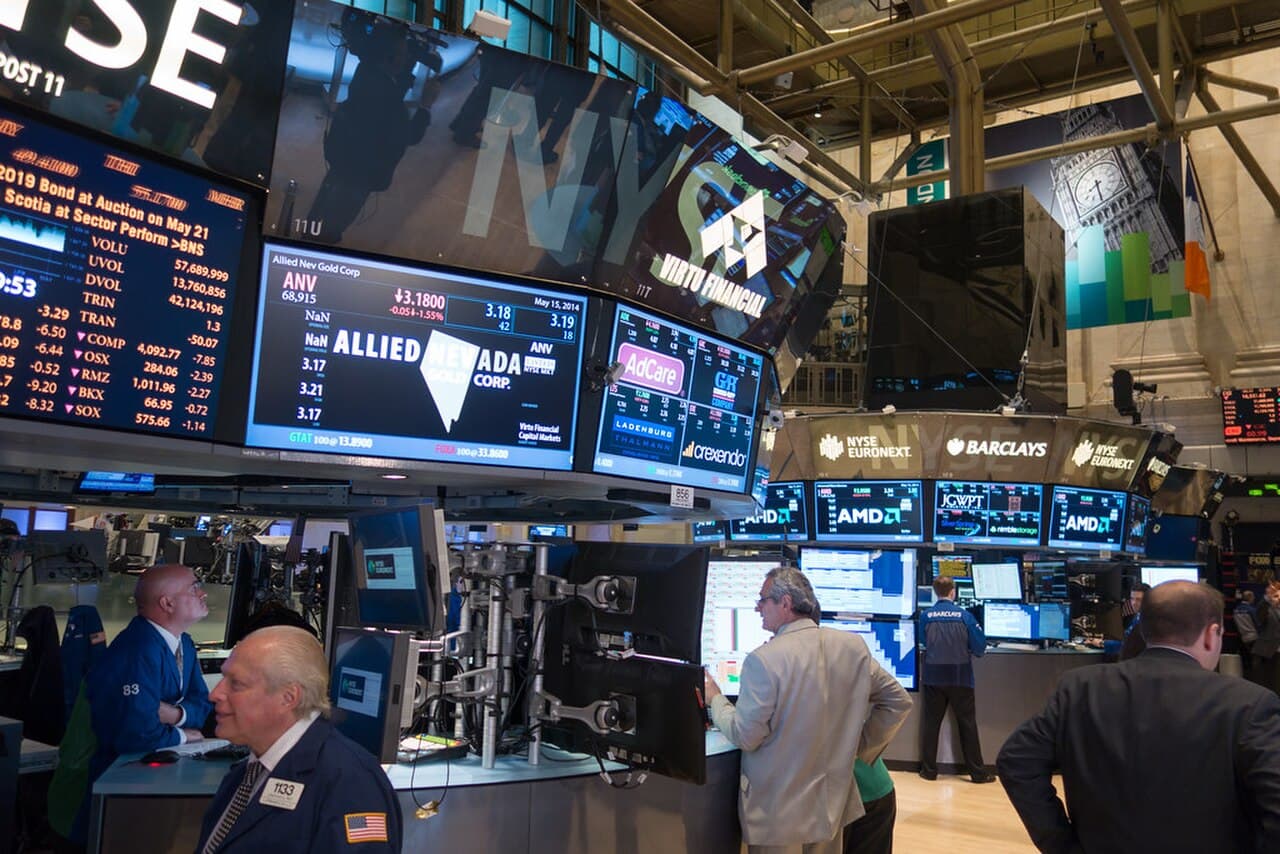
Led by Strategy (formerly MicroStrategy), public companies worldwide are increasingly holding part of their cash reserves in bitcoin. As of July 2026 Strategy is the largest corporate holder at 843,775 BTC, with Twenty One Capital and Metaplanet close behind in the low-40,000s BTC. Holdings don't only grow, though — MARA Holdings sold part of its stack to cut debt. A 2025 accounting-rule change (mark-to-market) and the "mNAV" metric shape these stocks' prices and financing, and corporate treasury strategy operates under very different assumptions than personal investing.
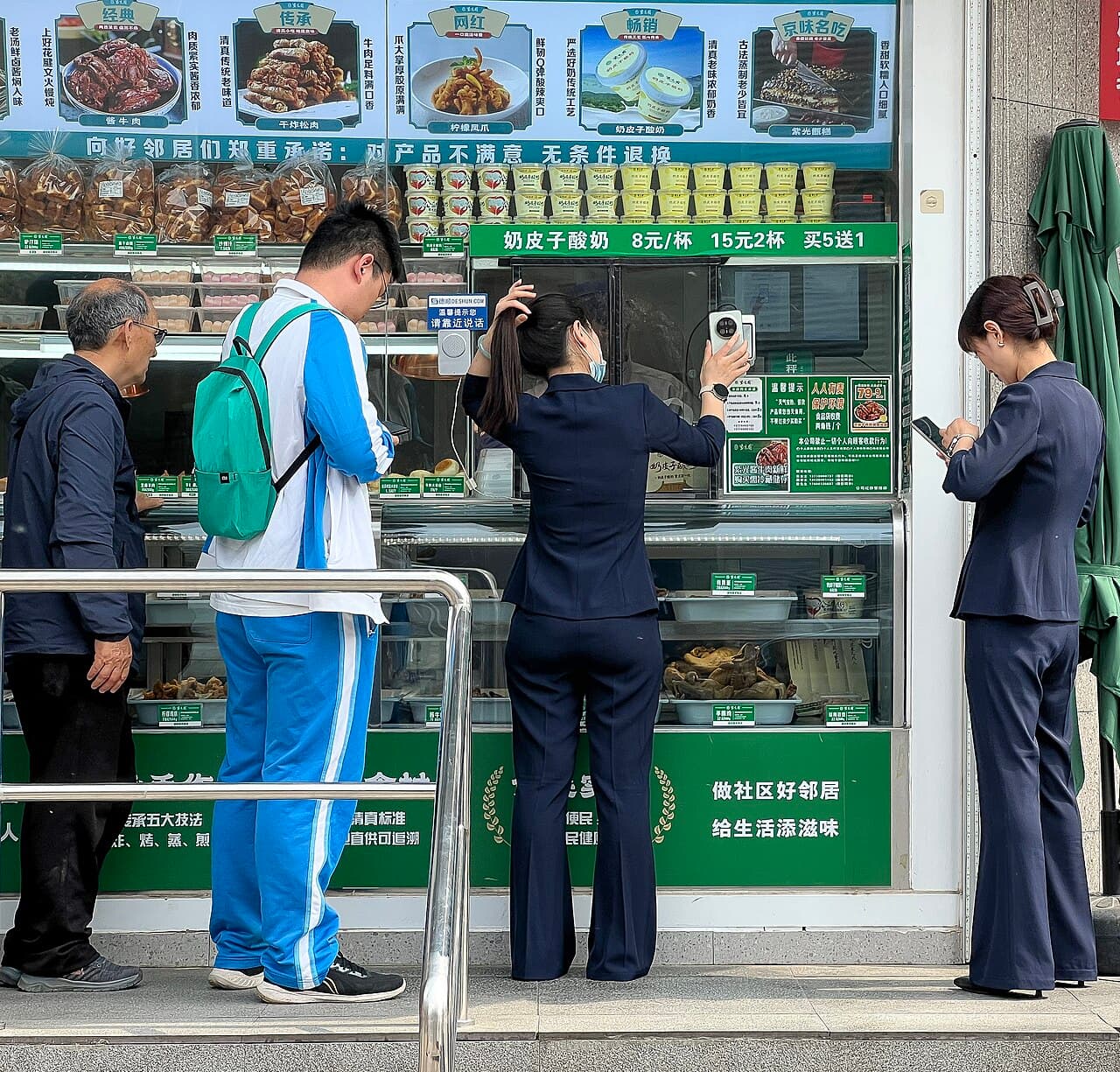
To pay with Bitcoin you simply scan the recipient's QR code or address in your wallet, confirm the amount, and send. Use Lightning for small, instant payments and on-chain for larger transfers; note that spending Bitcoin may count as a taxable disposal.
To buy Bitcoin in Japan, use an FSA-registered exchange, complete KYC with a residence or My Number card, deposit yen, and buy from a few hundred yen. Profits are generally taxed as miscellaneous income.
Buy Bitcoin in six steps: open an account at a regulated exchange, verify identity, deposit, buy, move to safe storage, and check tax. Start small and prioritize self-custody.
Bitcoin is a decentralized digital currency capped at 21 million coins, secured by a blockchain and mining (Proof of Work), with new issuance halving roughly every four years.
The mempool (memory pool) is the waiting room where unconfirmed transactions wait, held in memory by each node. When transactions outpace block production, it congests and the per-unit fee (sat/vB) rises in the fee market. You can check congestion and feerates on mempool.space.
Sending bitcoin is irreversible: paste and visually verify the address, and do a test send for new or large transfers. Fees move with congestion (sat/vB); confirmation usually takes tens of minutes. Lightning suits small payments.
Double-spending is the fraud of spending the same coin twice. Bitcoin prevents this without a central administrator by recording all transactions in chronological order on a single public blockchain, where reversal becomes probabilistically near-impossible as more confirmations accumulate.
The right response to a bitcoin crash is to avoid emotional buying or selling and follow rules set in advance. Historically it has recovered from 75-85% drawdowns from its highs. Avoid panic-selling, over-averaging-down, and adding leverage; use the fear & greed index as a thermometer rather than a signal; and be mindful that taxes on gains realized across a calendar-year boundary generally can't be offset by later losses.
A dusting attack sends tiny amounts of BTC ("dust") widely, then de-anonymizes recipients the moment they spend that dust together with other funds, by linking the addresses together. Dust itself poses no risk of fund loss — the correct response is to leave it untouched and not include it in transactions.
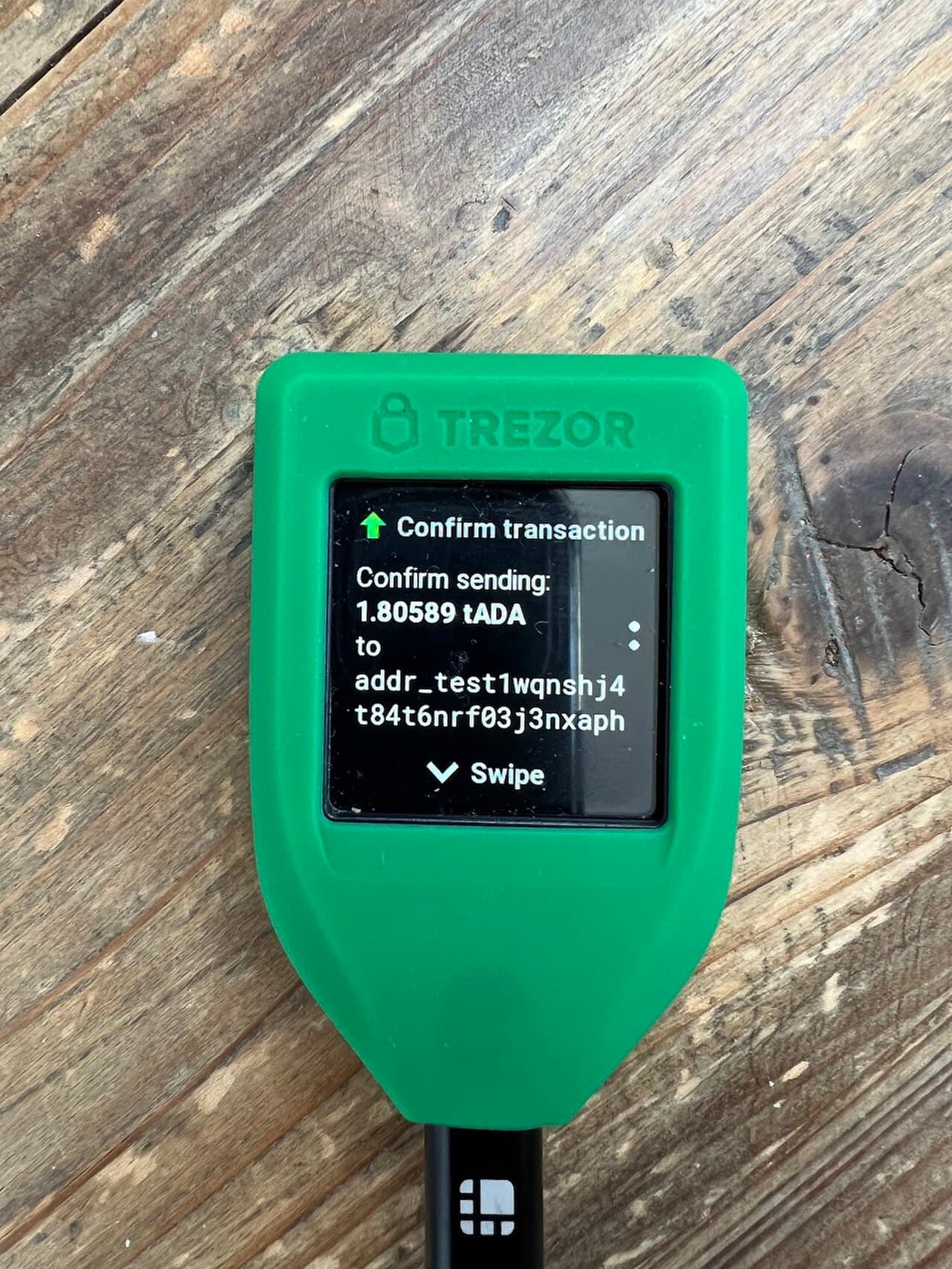
If a pasted destination address changes into a different one, it's usually "clipper" malware silently monitoring the clipboard and swapping in an attacker's address. Defend with full-string verification before sending, using QR codes or a saved address book, small test sends, and a final check on your hardware wallet's own screen.
As of mid-2026, no quantum computer exists that can actually derive a Bitcoin private key. Risk is concentrated in coins whose public keys have already been exposed on-chain (estimated at roughly 20-30% of circulating supply). The developer community is discussing quantum-resistant address proposals (BIP-360/BIP-361), still in draft stage.
A 51% attack rewrites recent blocks with majority hashrate, enabling double-spending and transaction censorship — but it cannot steal other people's coins, forge signatures, or change the 21 million supply cap. It has never succeeded against Bitcoin itself, due to the enormous cost involved.
Whether it's "too late" isn't a question about the price level — it's a question about your risk tolerance and investment horizon. The realistic way to avoid buying the top is to invest only money you can afford to lose, spread across time via dollar-cost averaging, starting small.
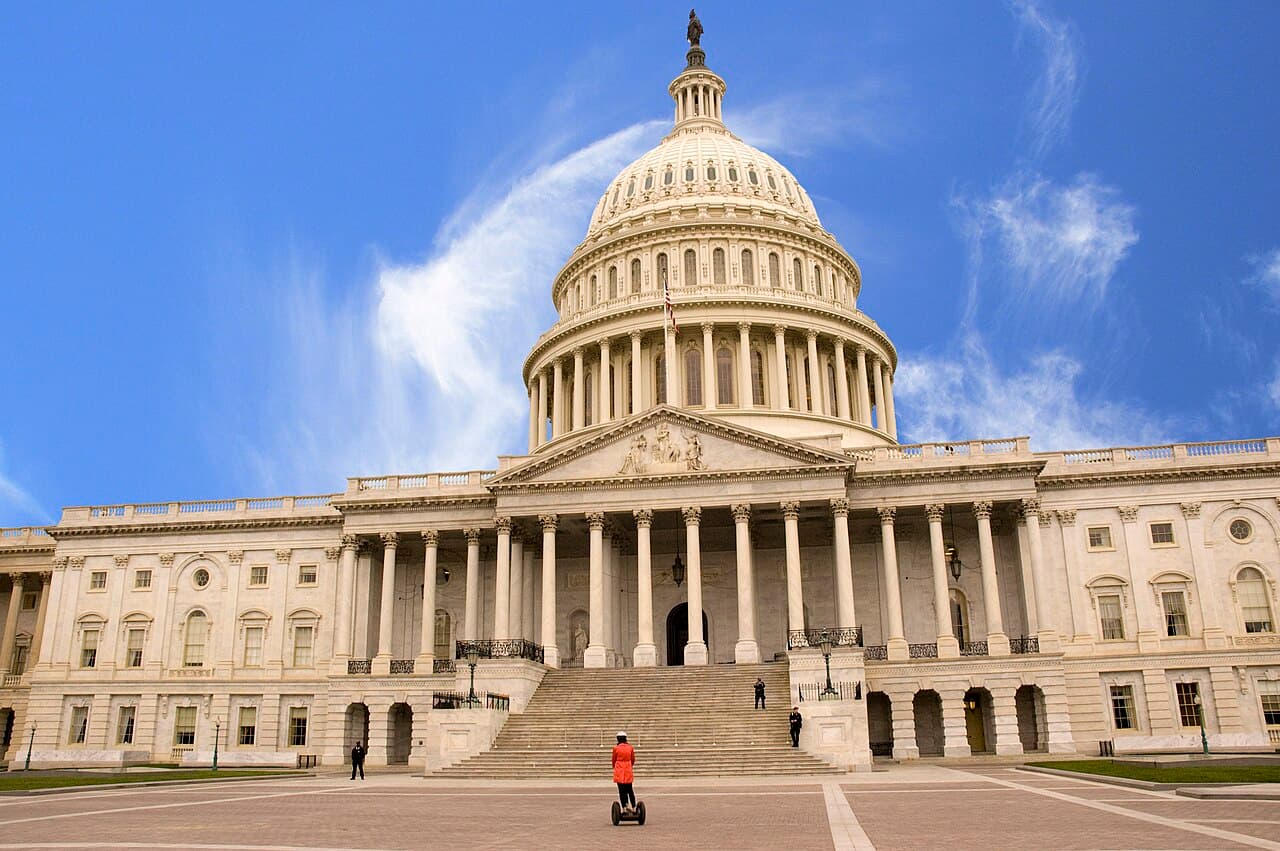
The Strategic Bitcoin Reserve was created by a March 2025 executive order (EO 14233) under which the US government holds forfeited BTC instead of selling it. It does not require new taxes or large-scale purchases, and as of July 2026 it is still executive policy rather than law.
As of 2026, El Salvador is still the only country where Bitcoin is nominally legal tender, but a reform passed on January 29, 2025 and in force since May 1, 2025 — tied to a $1.4 billion IMF Extended Fund Facility — removed mandatory business acceptance and BTC tax payments. Acceptance is now voluntary, and the US dollar remains the country's primary currency.
The next halving is expected around 2028, when block 1,050,000 is reached, and the reward halves from 3.125 to 1.5625 BTC. The date shifts with block-production speed and isn't fixed in advance. A price rise is not guaranteed.
BTC is a Proof-of-Work currency with a 21-million cap aimed at storing value; ETH is a Proof-of-Stake base layer with no cap that runs smart contracts. ETH moved to PoS in the September 2022 Merge. It's a difference of role, not of which is better.
BTC is Bitcoin's currency unit. 1 BTC divides down to one hundred-millionth, the "satoshi," so even if you can't buy a whole coin you can hold it from a few hundred yen.
The whitepaper, 'Bitcoin: A Peer-to-Peer Electronic Cash System,' was published by Satoshi Nakamoto on 31 October 2008. It showed how to prevent double-spending without a central authority and became the origin of Bitcoin.
A hardware wallet keeps private keys on a dedicated offline device and signs transactions without exposing the key, resisting hacking. It suits larger, long-term holdings, and safeguarding the seed phrase matters more than the device itself.
Most Bitcoin scams share a pattern: 'guaranteed profits' plus pressure to 'send now.' Know the classic schemes — fake yields, impersonation, fake exchanges, fake support, romance scams — watch the red flags, and report to local authorities before sending.
A hot wallet is always online (convenient, more exposed); a cold wallet is offline (safer, more effort). It's a convenience-vs-security trade-off — keep small spending amounts in hot and the bulk in cold.
Taproot is a major Bitcoin upgrade activated on 14 November 2021. By introducing Schnorr signatures, it improved transaction efficiency, privacy, and smart-contract flexibility, delivered as a backward-compatible soft fork.
Bitcoin's supply is capped at about 21 million, fixed in code. The halving steadily slows issuance; the last fraction is expected around 2140, after which miners earn from fees rather than new issuance.
Bitcoin's value comes from scarcity (the 21M cap), tamper-resistance, the convenience of sending and storing it, and social agreement. It has no state or gold backing — but neither, fundamentally, does fiat money.
Bitcoin is called 'digital gold' for its scarcity and ease of transfer, but it lacks gold's long history and stability, and its price is far more volatile. They are different assets with different properties.
Satoshi Nakamoto is the pseudonym of Bitcoin's creator, whose real identity is unknown — possibly a person or a group. Satoshi published the 2008 paper, mined the genesis block in 2009, and disappeared around 2010.
The Lightning Network is Bitcoin's layer-2 payment system. Payment channels let you send small amounts almost instantly and for tiny fees — great for everyday spending, less so for large or long-term holdings.
Bitcoin works through three pillars: a blockchain that records transactions, mining (Proof of Work) that adds and secures blocks roughly every 10 minutes, and a fixed 21M supply enforced by the halving.
Bitcoin's history: the 2008 whitepaper, the 3 Jan 2009 genesis block, 2010 pizza day, the 2014 Mt. Gox collapse, the 2017 SegWit/BCH fork, 2021 Taproot and El Salvador, and 2024's US ETFs and halving.
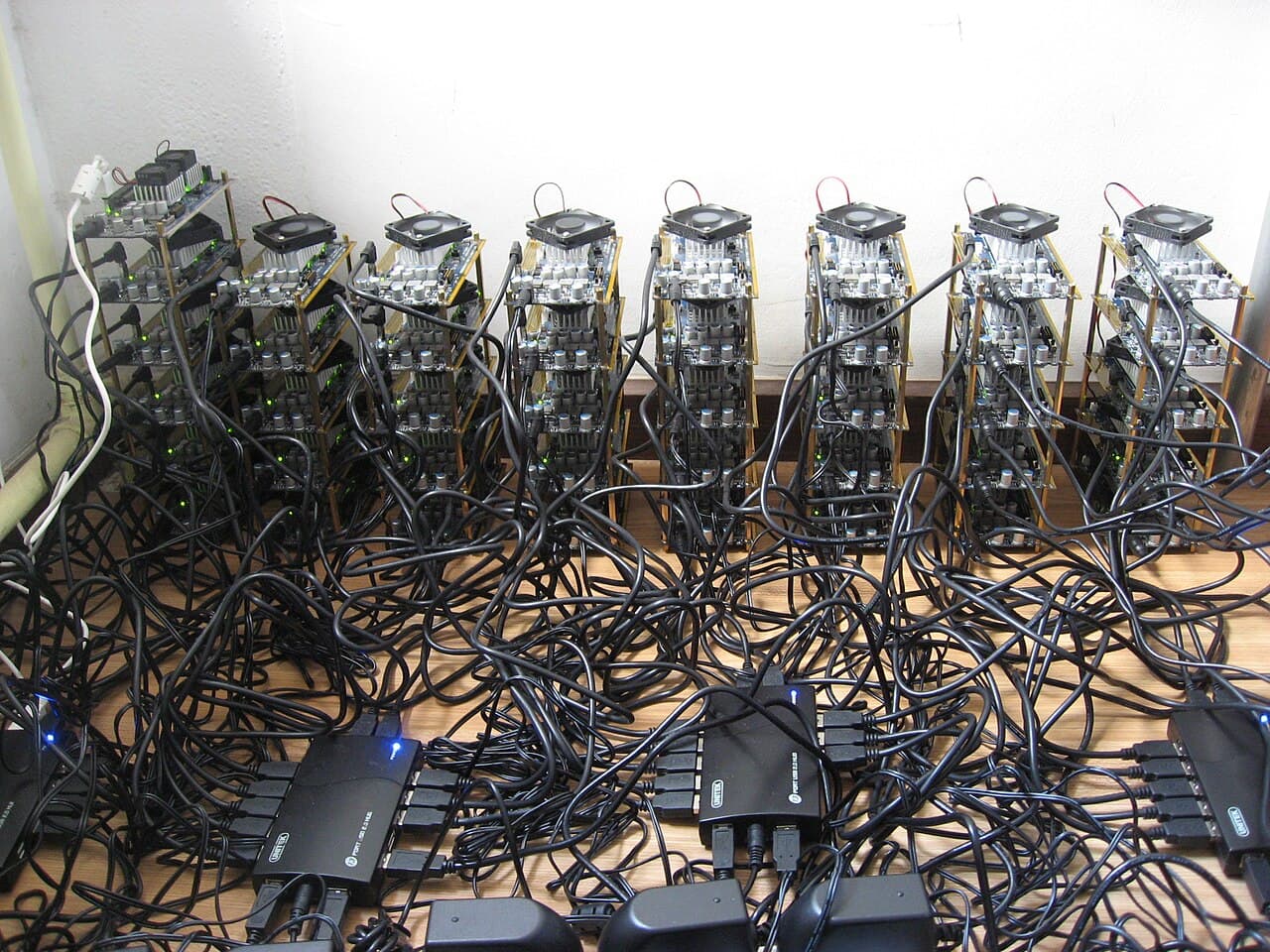
Bitcoin mining adds blocks and secures the network via Proof of Work. Miners compete roughly every 10 minutes; the winner earns the block reward (3.125 BTC subsidy plus fees). Difficulty auto-adjusts.
The safest way to hold bitcoin is self-custody: control your own private keys. Use a hot wallet for small spending and a cold/hardware wallet for savings, and back up your seed phrase offline.
The Bitcoin halving cuts the block reward in half every 210,000 blocks (~4 years). It happened in 2012, 2016, 2020 and April 2024 (now 3.125 BTC); the next is ~2028 and is block-height based.