Guide
Hot Wallet vs Cold Wallet: Differences, Safety and When to Use Each
Bottom line: a trade-off between convenience and security
Bitcoin wallets split into two camps based on whether they are connected to the internet. An always-online hot wallet is easy to send and receive with but is exposed to online attacks. A cold wallet keeps the private keys offline — much safer, but more effort to use. Neither is "right"; the rule is to split by amount and purpose.
Key takeaways
- Hot = internet-connected. Convenient but a bigger target (phone apps, exchanges).
- Cold = offline. Much safer (hardware wallets, paper).
- It is fundamentally a convenience vs security trade-off; using both is practical.
- Rule of thumb: small spending amounts in hot, the bulk of holdings in cold.
Clear definitions
| Type | State | Examples | Best for |
|---|---|---|---|
| Hot wallet | Always online | Phone/PC apps, exchange accounts, browser extensions | Small, everyday sends |
| Cold wallet | Offline | Hardware wallets, paper wallets | Long-term, larger holdings |
A wallet is not "the money" itself — it is a tool for managing the private keys that move your bitcoin. For the bigger picture see the storage and self-custody guide; for the device itself see what is a hardware wallet.
Hot wallet: pros and cons
- Pros: instant sends and receives, free to start, great for QR payments.
- Cons: always online, so exposed to malware, phishing, and exchange hacks.
- Balances left on an exchange behave much like a hot wallet — recall the Mt. Gox lesson.
Cold wallet: pros and cons
- Pros: keys never touch the internet, so extremely resistant to online attacks. Ideal for long-term holding.
- Cons: more steps to use; losing the device and the recovery phrase means the funds are gone.
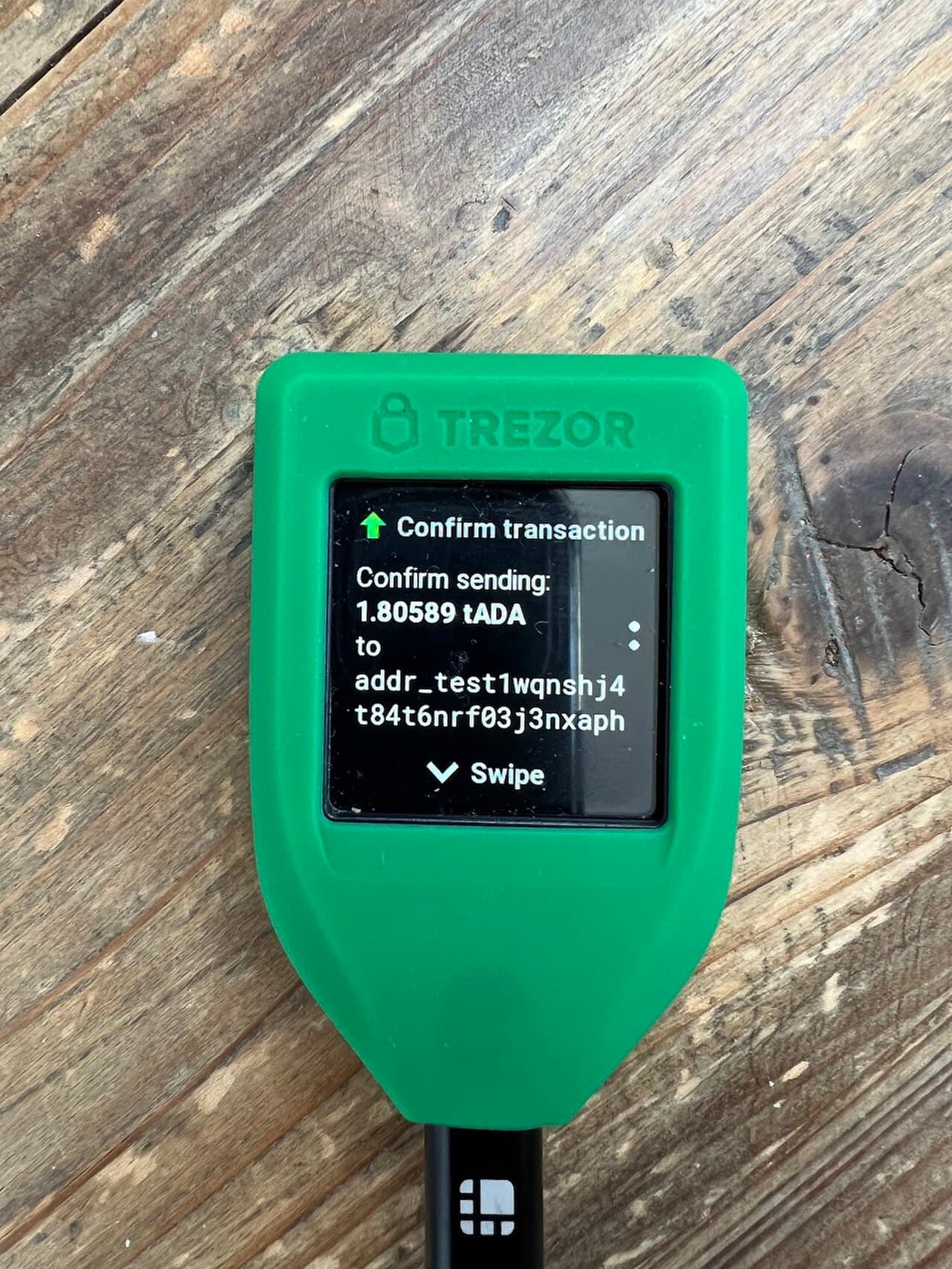
- A hardware wallet keeps the keys inside the device and only signs transactions, raising security.
How to split (small in hot, bulk in cold)
Think of it like a wallet versus a safe. Keep small spending amounts in a pocket wallet (hot) and the bulk in a safe (cold):
- Daily spending / testing → a small amount in hot.
- Long-term holdings you won't touch → move to cold.
- Keep only what you're about to trade on an exchange; move purchases into your own control.
For how to move funds and send safely, see how to send Bitcoin. For fast, cheap small payments, the Lightning Network is also an option.
FAQ
Q. Which should a beginner start with? A. Start with a small amount in a hot wallet to learn, then add a cold (hardware) wallet as your holdings grow.
Q. Is keeping funds on an exchange hot or cold? A. From your side it behaves like hot. As long as funds sit there, you carry the exchange's hack and insolvency risk.
Q. Is a cold wallet completely safe? A. It resists online attacks but isn't infallible — losing the recovery phrase, entering it on a fake site, or physical damage are still risks.
Q. How should I store the recovery phrase? A. Keep it offline (paper or metal), never as a photo or cloud note, ideally in more than one secure place.
Sources
- bitcoin.org — Secure your wallet: https://bitcoin.org/en/secure-your-wallet
- Wallet (Bitcoin Wiki): https://en.bitcoin.it/wiki/Wallet
- Cold storage (Bitcoin Wiki): https://en.bitcoin.it/wiki/Cold_storage
Not investment advice
This article is for educational purposes only and is not investment advice. Bitcoin is volatile and carries risks including loss and theft. Do your own research and only use money you can afford to lose. Tax and regulation can change — always confirm with the official primary source.
Sources
FAQ
- Which should a beginner start with?
- Start with a small amount in a hot wallet to learn, then add a cold (hardware) wallet as your holdings grow.
- Is keeping funds on an exchange hot or cold?
- From your side it behaves like hot. As long as funds sit there, you carry the exchange's hack and insolvency risk.
- Is a cold wallet completely safe?
- It resists online attacks but isn't infallible — losing the recovery phrase, entering it on a fake site, or physical damage are still risks.
This article is informational only and is not financial, investment, or trading advice. Prices are reference snapshots and may be outdated. Always do your own research.